China Objects to US Tariffs, Cites Unilateralism but Delays Retaliation
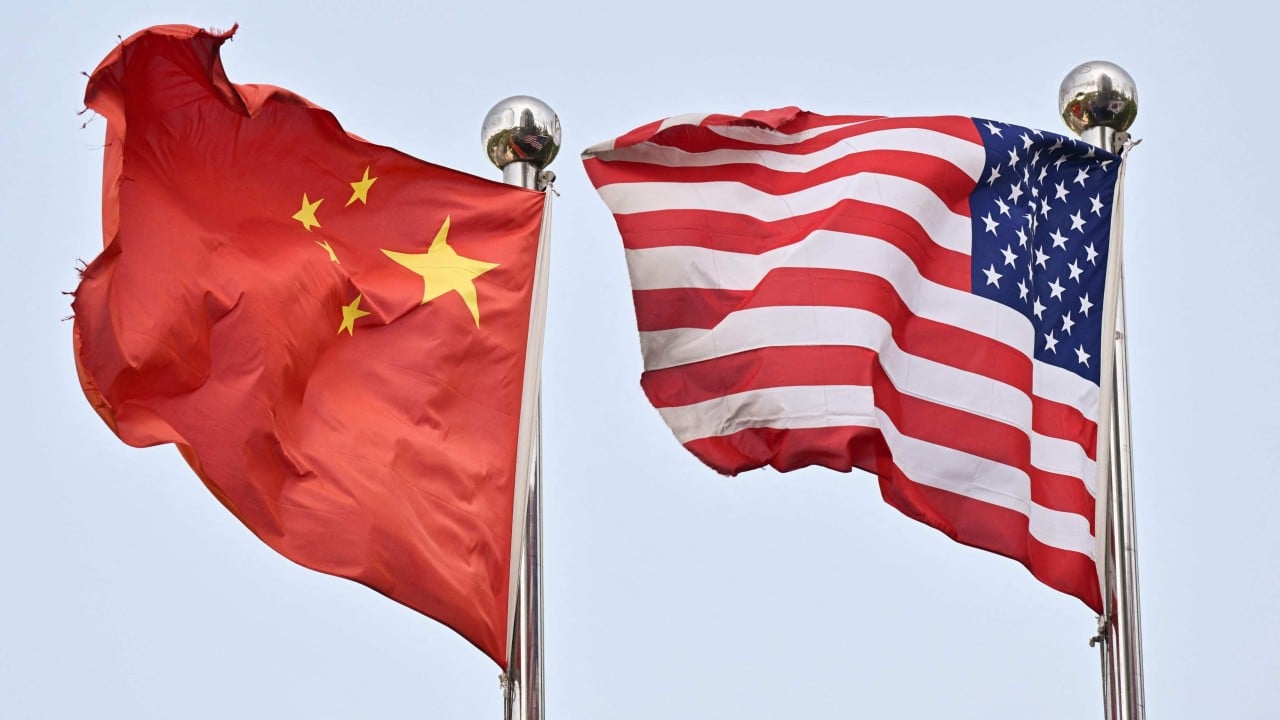
China's Ministry of Commerce has expressed strong disapproval of the United States' recent imposition of new tariffs on Chinese goods. The ministry described the Section 301 investigation and the subsequent duties as a "textbook act of unilateralism and protectionism," accusing Washington of manipulating the issue of forced labor. Despite its objections, China has indicated it will not immediately retaliate. This decision appears to stem from the fact that the new 12.5 percent duty remains within the tariff ceiling previously agreed upon by the US during earlier trade discussions under the Trump administration. The statement was issued on Monday.
The US decision to impose new tariffs, framed by China as unilateral protectionism and a manipulation of labor concerns, highlights ongoing trade tensions. China's measured response, refraining from immediate retaliation due to the tariff rate falling within prior negotiated limits, suggests a strategic approach balancing domestic economic pressures with international trade dynamics. This situation underscores the complex interplay of national security, economic policy, and geopolitical strategy in global trade relations. Future developments will likely depend on the evolving interpretation of trade agreements and the broader technological and economic competition between the two nations.
AI-generated to prompt reflection — not editorial opinion, not advice, not a statement of fact. How this works.