China Plans Tight Control Over AI Tech and Chip Exports
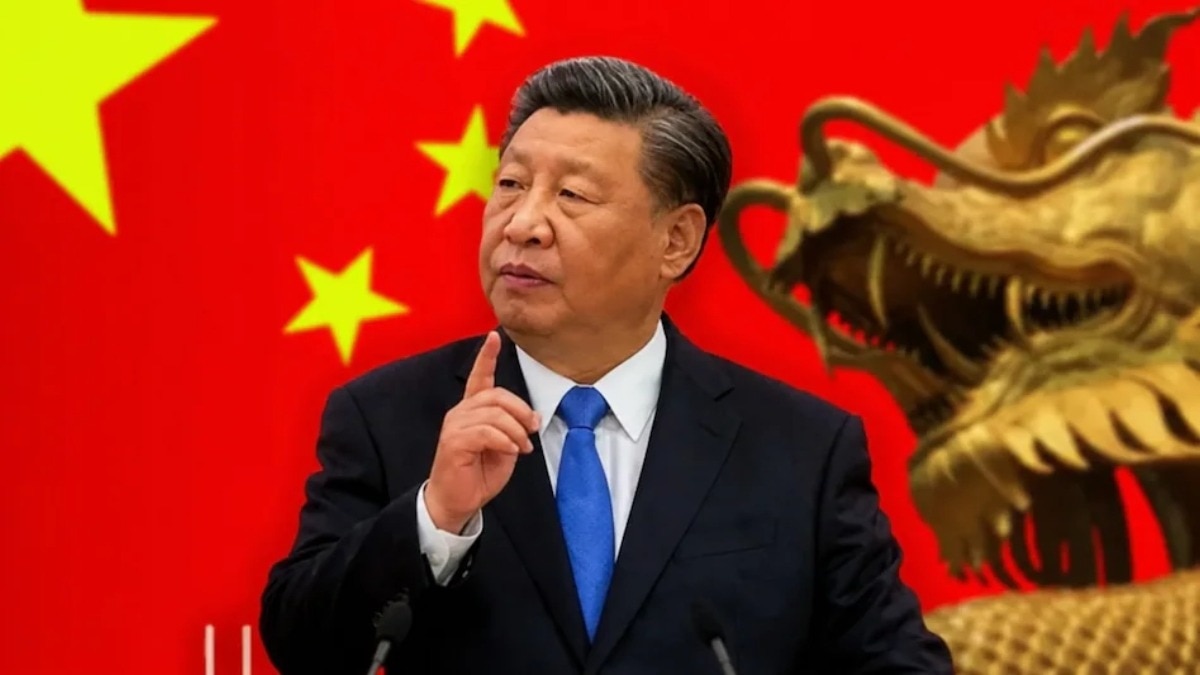
China is reportedly preparing to implement stringent controls over its artificial intelligence technologies and advanced chip manufacturing. The nation is considering imposing export restrictions on these critical sectors. This move signals a significant shift in China's strategy regarding its high-tech industries. The government aims to consolidate its dominance and leverage in the global AI and semiconductor markets. Such export bans could have far-reaching implications for countries reliant on Chinese technology and components. The development is seen as a strategic play to bolster domestic innovation and reduce dependence on foreign supply chains. It also suggests a potential escalation of technological competition on the global stage. The full extent of these planned restrictions and their specific targets remains to be seen.
China's potential export restrictions on AI technologies and advanced chips represent a strategic maneuver to enhance its domestic capabilities and global influence in these critical sectors. By controlling the outflow of these technologies, China aims to foster self-sufficiency and potentially create leverage in international trade and technological development. This approach could accelerate innovation within China but may also lead to increased global technological fragmentation and competition. Other nations might respond by strengthening their own domestic semiconductor industries and AI research, potentially altering the global technological landscape over the next decade. The long-term impact will depend on the specific nature of the restrictions and the adaptive strategies of other global players.
AI-generated to prompt reflection — not editorial opinion, not advice, not a statement of fact. How this works.