China Prioritizes Basic Science Amid AI Competition with US
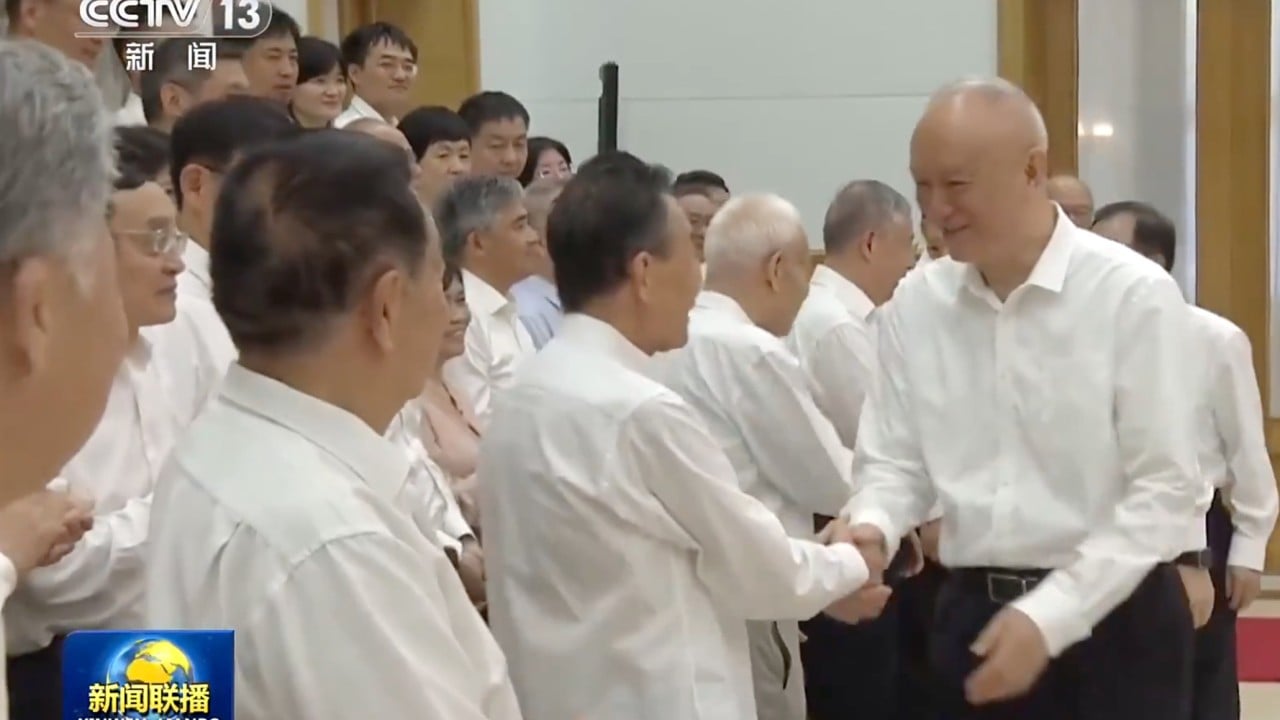
Senior Chinese official Cai Qi has welcomed the nation's scientific and technological elite at the Beidaihe resort, signaling the commencement of China's annual secretive summer leadership retreat. This gathering in Hebei province precedes the Communist Party's fifth plenum, scheduled for October, which is a significant event as it is the last before a leadership reshuffle planned for next year. Cai Qi, holding the fifth position in the Communist Party hierarchy and often described as President Xi Jinping's "chief of staff," conveyed a message emphasizing the importance of basic science. This focus on foundational research comes at a time when China is actively engaged in a global race for artificial intelligence dominance, a race where the United States is perceived to be de-emphasizing similar foundational scientific pursuits. The Chinese leadership's emphasis on basic science suggests a strategic long-term investment in innovation and technological self-sufficiency, potentially aiming to build a robust pipeline of scientific talent and discoveries to fuel future advancements, particularly in critical fields like AI.
China's strategic emphasis on basic science, highlighted by senior official Cai Qi's remarks at Beidaihe, contrasts with a perceived de-prioritization of such research in the United States, particularly within the context of the global AI race. This divergence in national strategy may reflect differing long-term visions for technological leadership. By investing heavily in foundational scientific inquiry, China appears to be cultivating an environment conducive to breakthrough innovations, aiming to secure a competitive edge in future technologies. This approach could foster a more resilient and self-sufficient innovation ecosystem, less susceptible to external dependencies. The US, conversely, might be focusing on applied AI research and development, potentially leading to quicker commercialization but possibly at the expense of long-term, fundamental scientific progress that underpins future technological paradigms.
AI-generated to prompt reflection — not editorial opinion, not advice, not a statement of fact. How this works.
