China Prioritizes Electrification Over Shanghai's Night Show to Cut Oil Reliance
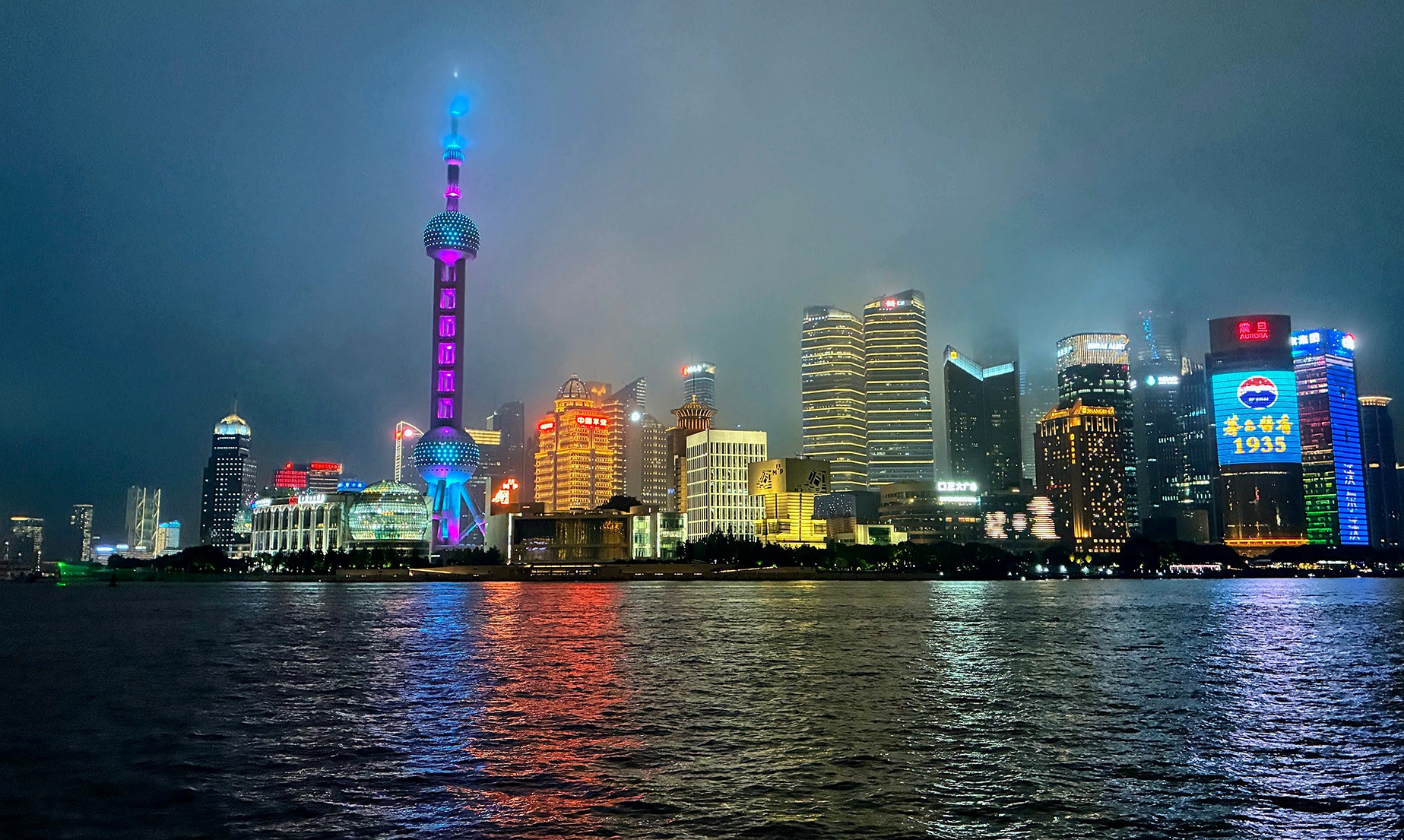
China is significantly accelerating its electrification efforts, a move that has led to the curtailment of Shanghai's famous night light show. This strategic decision underscores a broader national objective to decrease dependence on Western oil supplies. The focus is on expanding the adoption of renewable energy sources and promoting electric vehicles across the country. By investing heavily in these areas, China aims to bolster its energy security and transition towards a more sustainable energy future. The reduction in the city's iconic display is a visible consequence of this nationwide push for energy independence. This policy shift reflects a long-term vision to reshape the nation's energy landscape and reduce its vulnerability to global oil market fluctuations. The emphasis on electrification is expected to drive significant changes in China's industrial and transportation sectors.
China's strategic pivot towards electrification, exemplified by the scaling back of Shanghai's night show, highlights a deliberate effort to reconfigure its energy security architecture away from fossil fuel imports. This policy prioritizes national energy independence and the advancement of green technologies, potentially reshaping global energy markets and supply chains over the next decade. The transition signals a systemic challenge to established energy powers and underscores the growing influence of renewable energy and electric vehicle infrastructure in national economic planning. This move also presents a complex interplay between environmental goals, economic development, and geopolitical considerations, prompting a re-evaluation of energy resource allocation and technological innovation.
AI-generated to prompt reflection — not editorial opinion, not advice, not a statement of fact. How this works.