China Prioritizes Wage Growth and Reform to Mitigate AI's Impact on Inequality
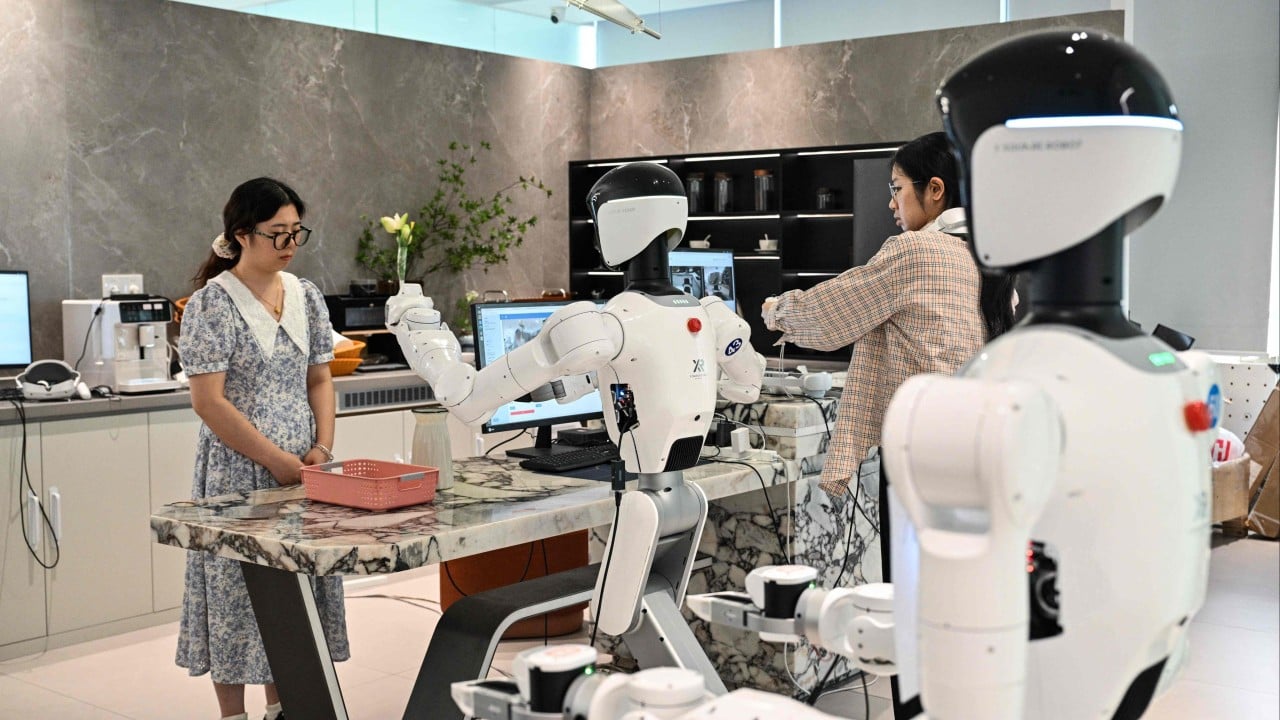
China is prioritizing income growth and reforming its wage distribution system to protect its domestic job market from the potential impacts of artificial intelligence over the next five years. A new strategy released by the Ministry of Human Resources and Social Security outlines a detailed plan to address these challenges. The blueprint aims to promote collective wage bargaining within the private sector, ensure consistent wage increases, and shift compensation towards frontline workers. This initiative is part of a broader national strategy to manage the economic and social consequences of AI adoption. The government intends to foster a more equitable distribution of wealth as technological advancements reshape the labor landscape. Specific measures will focus on creating a fairer system for wage determination and ensuring that the benefits of economic growth are shared more broadly. The strategy seeks to preemptively address concerns about rising inequality driven by AI-driven productivity gains and potential job displacement. By focusing on steady income growth and narrowing the pay gap, China aims to maintain social stability and foster inclusive economic development in the age of AI.
China's proactive strategy to address potential AI-fueled inequality by focusing on wage growth and distribution reform highlights a critical global challenge. By emphasizing collective bargaining and preferential pay for frontline workers, the government aims to create a more inclusive economic model. This approach seeks to balance the productivity gains from AI with equitable wealth distribution, mitigating social friction. The success of this strategy will depend on effective implementation across diverse private sector entities and the ability to adapt to the rapidly evolving nature of AI's impact on various industries and skill demands. This policy could serve as a model for other nations grappling with similar concerns about technological disruption and economic fairness in the coming decade.
AI-generated to prompt reflection — not editorial opinion, not advice, not a statement of fact. How this works.