China Recovers Rocket Stage, Joins Elite Group of Spacefaring Nations
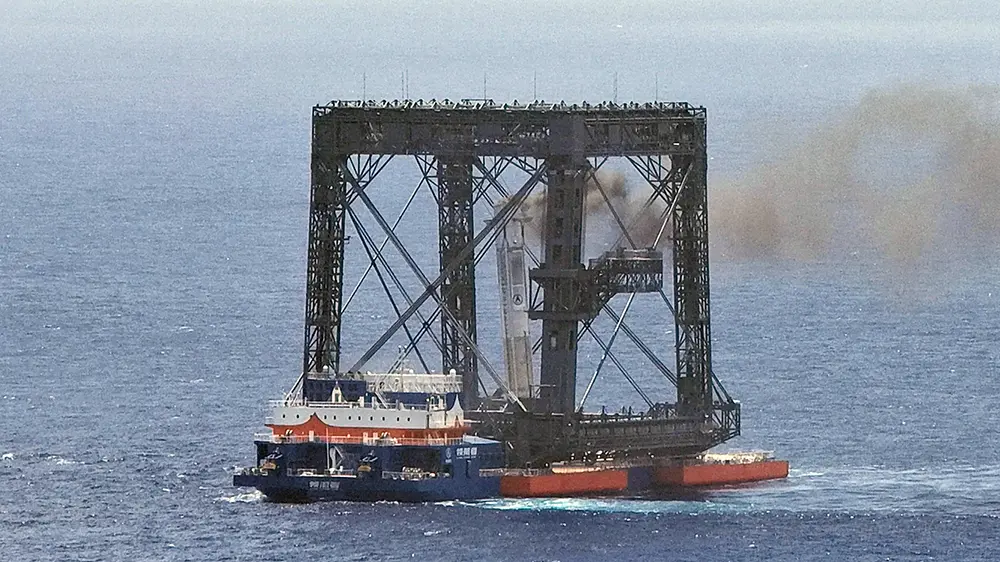
China has successfully recovered the first stage of its Long March 10B rocket, becoming the second nation after the United States to achieve this capability. The mission was a complete success, with the rocket's second stage also placing its payload into orbit without issues. The Long March 10 rocket family appears to have multiple variants with distinct purposes. The 10A variant is intended for launching the future crewed Mengzhou capsule and the new Quingzhou cargo capsule to the Chinese Space Station (CSS). The 10B, which debuted the recovery technology, will utilize the first stages initially developed for the 10A to launch satellites, functioning as a commercial version. A separate, non-reusable Long March 10 will be used for crewed lunar missions, launching both a lunar version of the Mengzhou capsule and the Lanyue lander, with targets set for 2030. A notable feature of the recovered first stage is its lack of landing legs; instead, it employs extendable hooks that attach to cables on a floating platform. This method differs from the landing procedures of rockets like SpaceX's Falcon 9 and Blue Origin's New Glenn. While this approach saves weight and increases payload capacity, it introduces complexity to the recovery platform. The primary significance lies in the achievement of reusable first stages, with plans to reuse the recovered stage before the end of the year to validate the design's viability.
China's successful recovery of a Long March 10B rocket stage marks a significant advancement in its space launch capabilities, aligning it with nations possessing reusable rocket technology. This development is driven by the economic and operational efficiencies inherent in reusability, which can lower launch costs and increase mission cadence. The distinct recovery mechanism, utilizing hooks and cables on a floating platform rather than traditional landing legs, represents an alternative engineering approach to stage recovery. This diversification in technical solutions highlights the global innovation landscape in space access. The stated intention to reuse the recovered stage within the year underscores a commitment to rapid iteration and validation of this technology, crucial for future ambitious missions, including lunar exploration. The long-term implications involve competitive dynamics in the commercial satellite launch market and potential shifts in global space infrastructure development.
AI-generated to prompt reflection — not editorial opinion, not advice, not a statement of fact. How this works.