China Redefines Exit-Entry Freedom with New Regulations
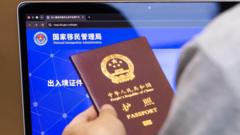
China has announced new regulations on exit and entry management, sparking widespread discussion. Border officials are now empowered to 'dissuade' citizens from traveling to countries and regions deemed high-risk. Furthermore, Chinese citizens found to have endangered national security abroad will be prohibited from leaving the country upon their return. The new rules also extend exit restrictions to scientific and technical personnel. These changes signal a significant shift in how China approaches the freedom of movement for its citizens, particularly concerning national security and perceived risks.
China's updated exit-entry regulations introduce a framework that prioritizes national security and risk assessment over individual freedom of movement. The inclusion of 'dissuasion' by border officials and restrictions on individuals deemed a security risk abroad, along with the specific targeting of technical personnel, suggests a proactive approach to managing potential threats and information flows. This policy shift reflects a broader global trend of increased state scrutiny over cross-border activities, driven by evolving geopolitical landscapes and technological advancements. The long-term implications will depend on the transparency and consistency of enforcement, and how these measures balance national security imperatives with the economic and social benefits of international exchange and collaboration.
AI-generated to prompt reflection — not editorial opinion, not advice, not a statement of fact. How this works.
