China Reels from Heavy Rainfall, Landslides, and Typhoon Noul
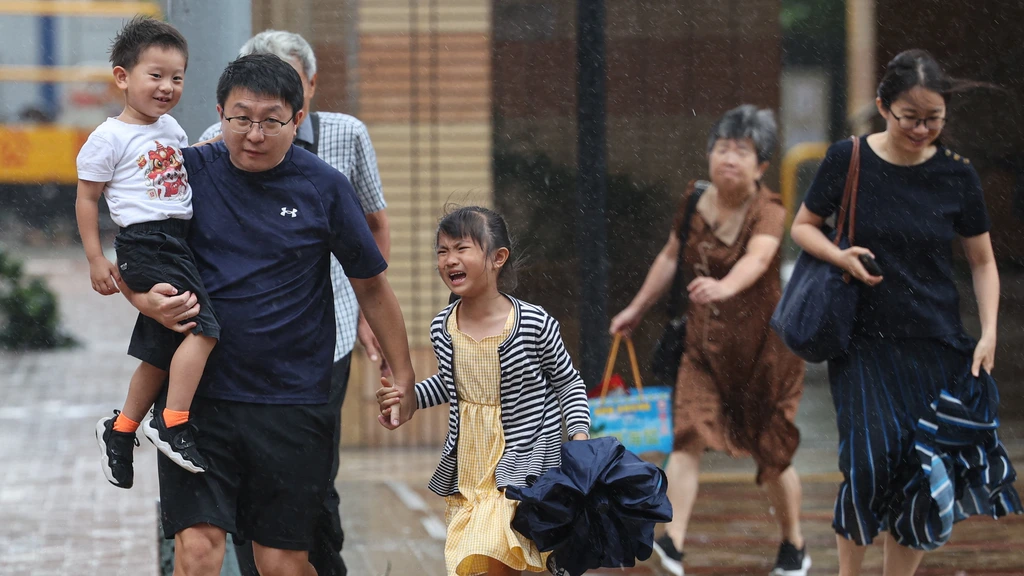
China is currently experiencing severe weather conditions, including heavy rainfall, widespread flooding, and dangerous landslides, exacerbated by Typhoon Noul, the season's most powerful storm. While Noul's winds have diminished since making landfall, the extreme precipitation has become the primary concern. In Gansu province, a flash flood tragically claimed ten lives overnight, with an additional 23 people injured. Prior to the typhoon's arrival, approximately 800,000 people were evacuated, primarily from urban areas, and numerous flights and train services were canceled. As the immediate threat recedes in southern China, transportation is gradually resuming, allowing displaced residents to return home. However, intense rainfall is forecast to persist in other regions until midnight. The typhoon made landfall in densely populated areas, impacting cities like Shanwei and Huizhou, home to around nine million people. Despite Noul's reduced wind speed, the extensive urbanization and numerous rivers in the region heighten flood risks. China has been investing in water management and ecological restoration, including improved urban drainage, reforestation, and wetland preservation, to enhance water retention during droughts and mitigate heavy rainfall impacts. The country is also bolstering its disaster management capabilities through enhanced weather forecasting systems and extensive weather station networks, improving early warnings and evacuation efficiency, particularly noted in wealthier southern regions. Earlier in the month, a landslide in Chongqing resulted in eleven fatalities and dozens missing, while Gansu province recorded 21 deaths in mountainous areas and ten tourist deaths from campsite flooding. In Shanxi province, a landslide buried a house, killing five occupants. Noul is the third typhoon to hit China this month, significantly above the average of 1.8 typhoons in July in recent years, a trend attributed by China's National Climate Center to climate change and the El Niño phenomenon.
The confluence of Typhoon Noul and extreme rainfall highlights China's vulnerability to climate-induced disasters, despite significant investments in water management and disaster preparedness. While enhanced forecasting and evacuation systems demonstrate progress, the recurring fatalities from landslides and floods underscore systemic challenges in urban planning and land use, particularly in densely populated or geographically precarious areas. The increased frequency of typhoons, linked to climate change and El Niño, suggests a need for more resilient infrastructure and adaptive strategies. Future efforts should focus on integrating ecological solutions with engineering, and ensuring equitable disaster response across all regions, as the nation navigates a more volatile climate future.
AI-generated to prompt reflection — not editorial opinion, not advice, not a statement of fact. How this works.