China's 2026 Graduates Face Job Market Challenges Amidst AI Impact
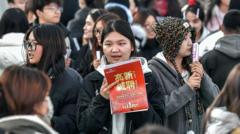
China is anticipating a record 12.7 million university graduates in 2026, marking the eleventh consecutive year of growth and an increase of 480,000 from the previous year. When combined with individuals from previous years who are still seeking employment and returning overseas students, the total number of job seekers is expected to exceed 15 million. This surge in the labor market coincides with growing concerns about the impact of artificial intelligence on employment. The large cohort of graduates will face a competitive job landscape, potentially exacerbated by AI-driven automation and shifts in industry demand. Navigating this environment will require adaptability and potentially new skill sets to align with evolving economic needs.
The escalating number of graduates in China, projected to reach 12.7 million in 2026, presents a significant demographic and economic challenge. This cohort's entry into the job market, compounded by previous unplaced graduates and returning students, creates a pool of over 15 million job seekers. The concurrent rise of AI technologies introduces a complex dynamic, potentially automating tasks and reshaping industries, which could either displace existing roles or create new ones. The primary tension lies in whether the pace of new job creation, particularly in AI-adjacent fields, can outstrip the rate of job displacement and absorb the sheer volume of new entrants. Policymakers and educational institutions will need to focus on fostering adaptable skill sets and promoting industries that can leverage both human capital and AI advancements to ensure sustainable employment outcomes over the next decade.
AI-generated to prompt reflection — not editorial opinion, not advice, not a statement of fact. How this works.