China's AI Developers May Shift to Domestic Tools After Anthropic Security Alert
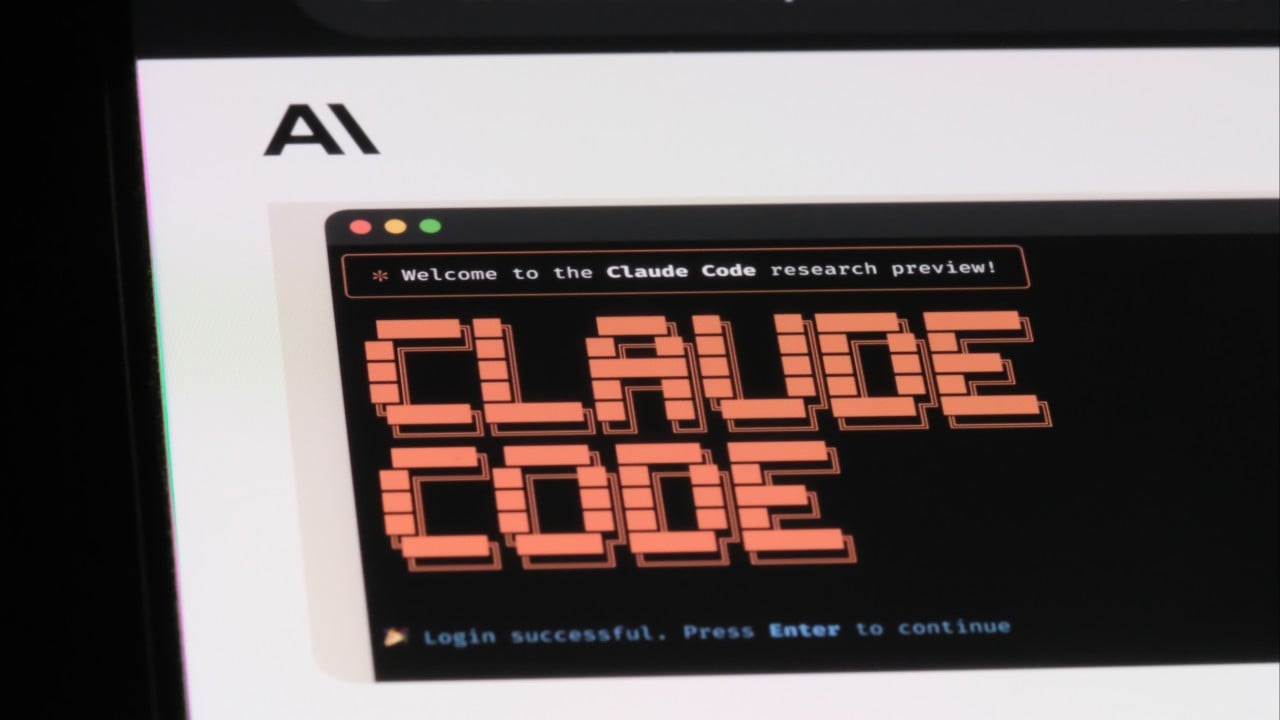
Chinese developers are anticipated to increasingly adopt domestic coding alternatives following a recent cybersecurity warning issued by Beijing against the American AI lab Anthropic. The National Vulnerability Database (NVDB), which operates under China's Ministry of Industry and Information Technology, released an alert this week. The NVDB stated that several versions of Anthropic's primary tool, Claude Code, were found to possess a security vulnerability described as a "back door." This discovery suggests potential risks associated with the software's use. The alert is expected to influence the choices made by Chinese AI developers, potentially leading to a greater reliance on in-country solutions for their coding needs. This move could signify a broader trend of technological self-sufficiency within China's rapidly growing artificial intelligence sector. The implications of this security advisory may extend to the competitive landscape of AI development, both domestically and internationally.
The cybersecurity alert issued by China's National Vulnerability Database regarding Anthropic's Claude Code tool presents a complex interplay of national security concerns and technological development strategy. By highlighting potential vulnerabilities, the NVDB may be leveraging a security-focused narrative to encourage a pivot towards domestic AI solutions. This approach aligns with broader geopolitical trends emphasizing technological sovereignty and reducing reliance on foreign-developed software, particularly in critical sectors like artificial intelligence. The long-term impact will likely depend on the actual severity of the alleged vulnerabilities and the comparative capabilities of Chinese-developed alternatives. This situation underscores the increasing strategic importance of cybersecurity in the global AI race, where trust and perceived security can significantly influence market adoption and development trajectories over the next decade.
AI-generated to prompt reflection — not editorial opinion, not advice, not a statement of fact. How this works.