China's AI Edge: Affordability and Accessibility as Key Strengths
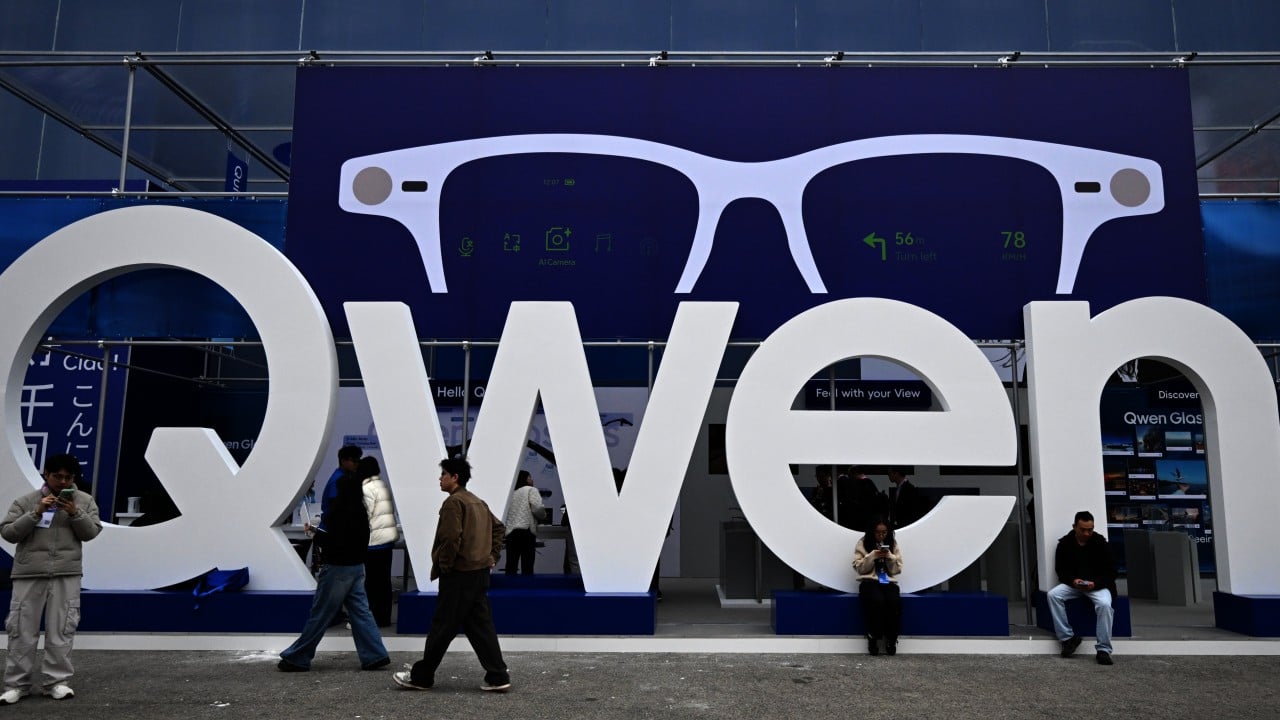
China's primary advantage in the artificial intelligence (AI) sector lies not in having superior chips or advanced frontier models, but in its ability to offer capable AI solutions at affordable prices for the global market. AI is rapidly evolving into a fundamental utility, similar to electricity or cloud computing, with its use measured by consumption and integrated into various business operations, public services, and consumer devices. In this infrastructure-like market, leadership is determined by cost-effectiveness and widespread availability. Chinese companies are strategically positioning themselves to capitalize on this trend by making AI accessible and economical for a broad range of users worldwide. This approach focuses on democratizing AI technology, ensuring it can be adopted by a wider array of businesses and individuals who may not have the resources for more expensive, high-end solutions. The emphasis on accessibility suggests a long-term strategy to embed Chinese AI capabilities into the global digital ecosystem.
China's strategic focus on AI accessibility and affordability presents a compelling market dynamic. By prioritizing cost-effectiveness over cutting-edge hardware or model supremacy, Chinese firms are positioning AI as a foundational utility, akin to essential services. This approach democratizes access, potentially accelerating AI adoption across diverse sectors globally. The long-term implications involve a shift in AI market leadership, where integration and widespread deployment become more critical than exclusive technological dominance. This strategy could foster a more inclusive AI future, but also raises questions about data governance, intellectual property, and the potential for a bifurcated global AI landscape based on accessibility tiers.
AI-generated to prompt reflection — not editorial opinion, not advice, not a statement of fact. How this works.