China's AI Race with US is Existential, Academic Warns
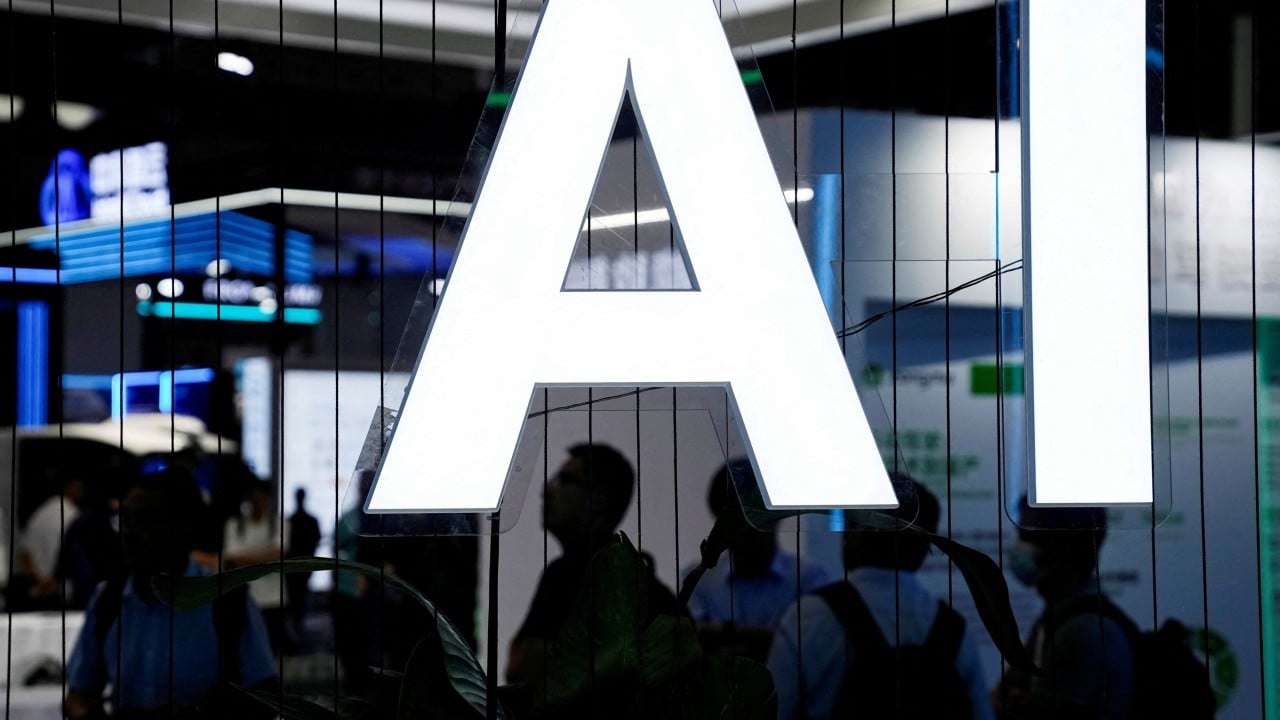
A Chinese academic has cautioned that China must drastically reform its innovation system to avoid losing technological sovereignty and national security in a critical artificial intelligence (AI) competition with the United States. Huang Ping, assistant dean of the Chinese University of Hong Kong (Shenzhen)’s school of public policy, emphasized that China needs to vigorously support open-source AI development. This strategy is crucial to counteract the significant costs and market dominance associated with closed-source American AI models. The academic believes that failing to adapt its innovation ecosystem could have profound implications for China's standing in the global technological landscape.
The assertion that the AI race constitutes an existential "knockout game" highlights the perceived strategic imperatives driving national technological development. From a systems perspective, this framing suggests a zero-sum dynamic where national security and economic prosperity are directly linked to AI leadership. The proposed solution, favoring open-source AI, indicates a potential strategy to democratize access to AI technologies and circumvent the proprietary advantages of competitors, thereby fostering domestic innovation and reducing reliance on foreign intellectual property. This approach could accelerate development by leveraging global collaborative efforts, but it also presents challenges in terms of intellectual property management, standardization, and ensuring equitable benefit distribution across the national economy.
AI-generated to prompt reflection — not editorial opinion, not advice, not a statement of fact. How this works.