China's AI Strategy: From Low-Cost Development to National Security Barrier
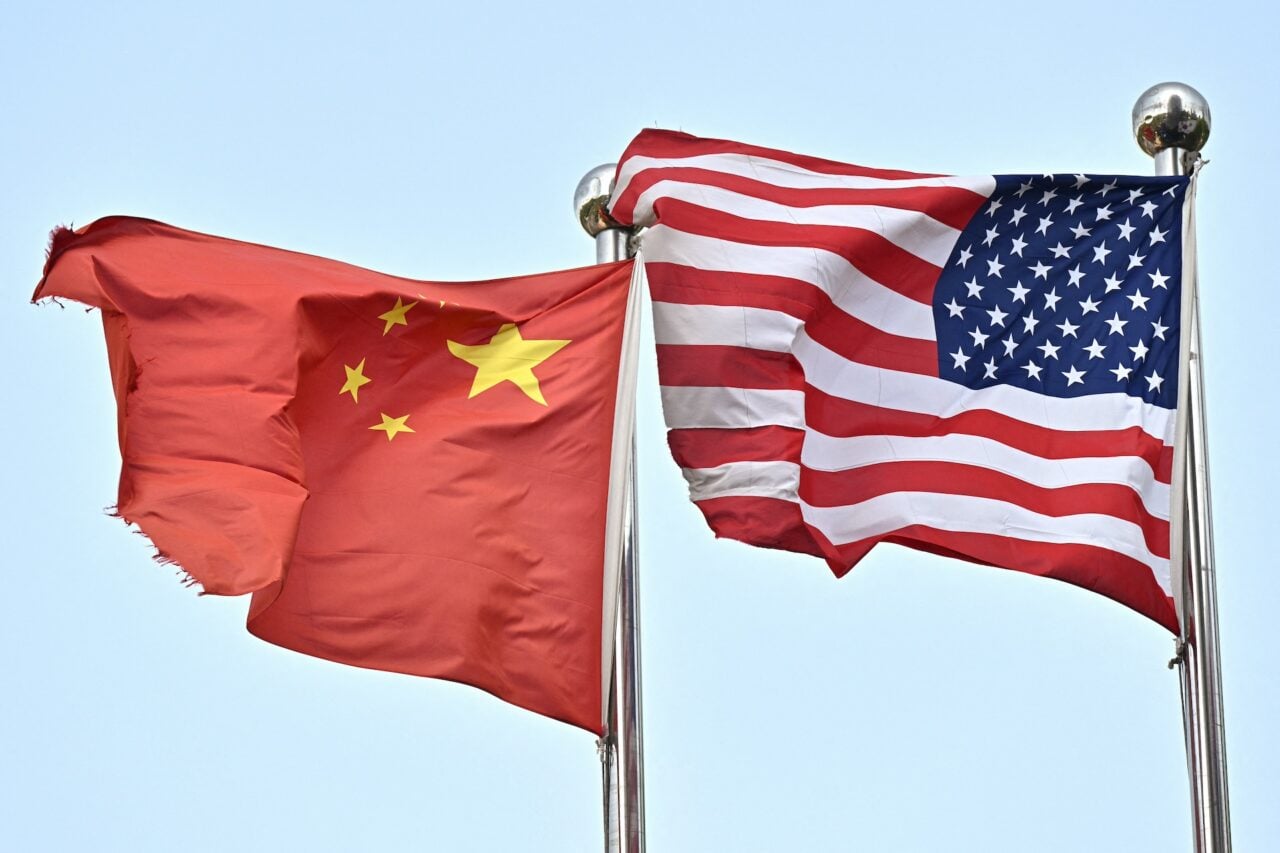
China has shifted its approach to artificial intelligence, moving from a focus on low-cost development to establishing significant national protections around its AI advancements. This strategic pivot mirrors similar concerns in the United States, where AI is also recognized as a vital national resource requiring careful safeguarding. The Chinese government, like its American counterpart, views AI as a critical component of its future economic and military strength. Consequently, there is a growing emphasis on securing these technological gains and preventing their unfettered access by foreign entities. This nationalistic approach suggests a future where AI development and deployment may become increasingly siloed, driven by geopolitical considerations rather than open global collaboration. The "Great Wall" metaphor highlights China's intent to create a robust defense around its AI ecosystem, ensuring its strategic advantages are maintained.
AI's emergence as a national security and economic imperative has prompted nations like China and the US to implement protective measures, potentially leading to a bifurcation of global AI development. This strategic competition, driven by concerns over technological sovereignty and competitive advantage, may foster innovation within national boundaries but could also impede the broader, collaborative progress that has historically accelerated scientific breakthroughs. The long-term implications involve evaluating the balance between national security objectives and the benefits of open research, as well as the potential for increased geopolitical tension stemming from technological decoupling. Future AI advancements will likely be shaped by these nationalistic impulses, influencing global standards, talent mobility, and the equitable distribution of AI's benefits.
AI-generated to prompt reflection — not editorial opinion, not advice, not a statement of fact. How this works.