China's Air Conditioners Hinder European Efforts to Reduce Trade Deficit
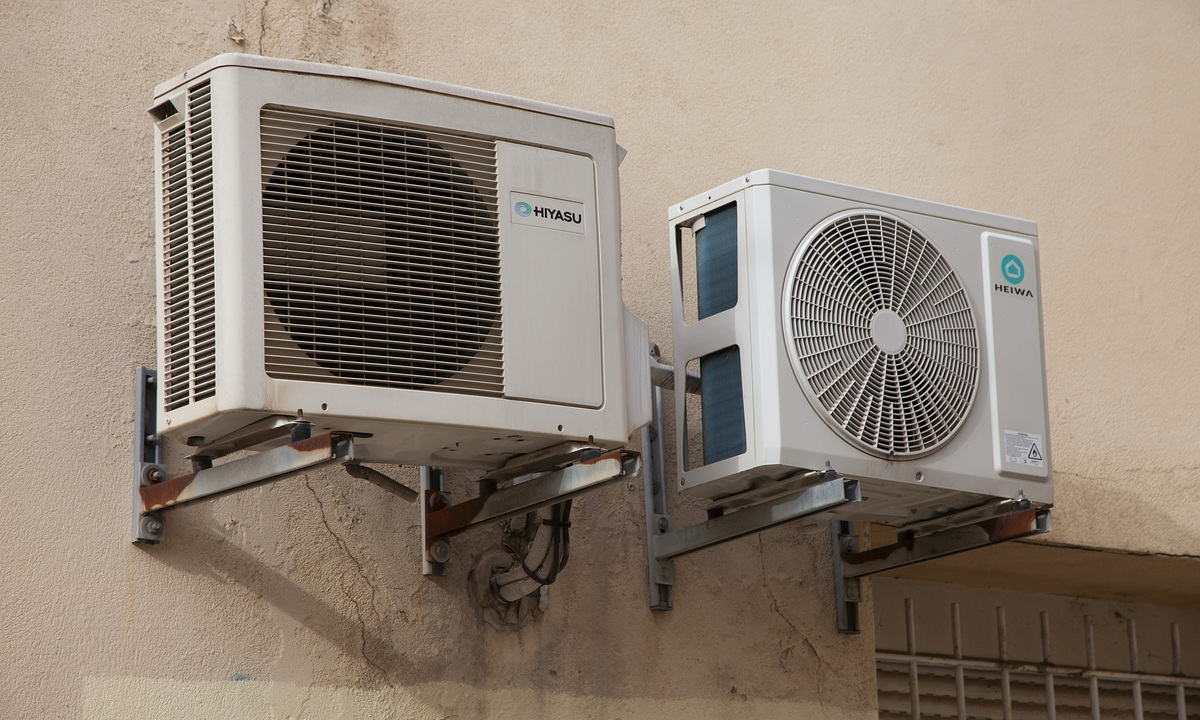
Record heatwaves across Europe have led to a surge in demand for Chinese-made air conditioning units. This increased purchasing of goods from China is now presenting a significant obstacle to the European Union's ongoing efforts to reduce its trade deficit with Beijing. The heightened demand, driven by extreme weather conditions, has resulted in a substantial influx of these appliances, impacting the EU's trade balance. Consequently, the bloc's objective of narrowing the economic gap with China faces renewed challenges. The trend highlights the complex interplay between consumer needs, climate change, and international trade dynamics. As temperatures continue to rise, the reliance on imported cooling solutions, particularly from China, is becoming a critical factor in the EU's economic strategy. This situation underscores the need for the EU to reassess its trade policies and potentially explore domestic manufacturing capabilities to mitigate such imbalances in the future.
The current surge in European demand for Chinese air conditioners, spurred by extreme weather, illustrates a critical tension between immediate consumer needs and long-term strategic economic goals. While the influx of affordable Chinese appliances addresses an urgent climate-related demand, it simultaneously complicates the EU's stated objective of reducing its trade deficit with China. This dynamic suggests that short-term responses to environmental challenges can inadvertently reinforce existing trade imbalances. Looking ahead, this situation may prompt a re-evaluation of the EU's industrial policy, potentially accelerating efforts to bolster domestic manufacturing in climate-sensitive sectors or to diversify supply chains. The event highlights the systemic challenge of aligning climate adaptation strategies with broader economic sovereignty and trade objectives in an increasingly interconnected global economy.
AI-generated to prompt reflection — not editorial opinion, not advice, not a statement of fact. How this works.