China's Autonomous Trucks Offer 24/7 Logistics Solution in Shenzhen
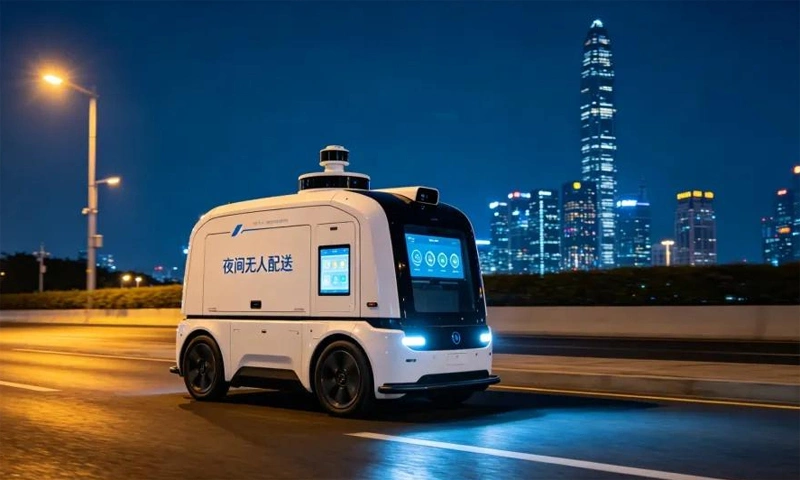
In Shenzhen, China, autonomous trucks are revolutionizing logistics by operating around the clock. These self-driving vehicles can handle deliveries during the day and resupply transfer stations throughout the night. This continuous operation model aims to optimize the efficiency of China's logistics network. The technology allows for uninterrupted movement of goods, addressing a key challenge in supply chain management. By leveraging autonomous driving, companies can potentially reduce labor costs and increase delivery speeds. The 24/7 operational capability is particularly beneficial for time-sensitive cargo and maintaining the flow of goods between distribution hubs. This initiative highlights Shenzhen's role as a testbed for advanced transportation technologies. The implementation of autonomous trucks signifies a significant step towards a more automated and efficient logistics future in China.
The deployment of autonomous trucks in Shenzhen represents a strategic move by China to enhance logistics efficiency and potentially reduce operational costs through round-the-clock service. This 24/7 capability addresses inherent limitations in human-operated logistics, such as labor availability and shift changes. From a systems perspective, this technology could lead to more resilient supply chains, less traffic congestion during peak human-driving hours, and a reduction in carbon emissions if coupled with electric powertrains. However, widespread adoption will necessitate robust regulatory frameworks, advanced infrastructure for autonomous vehicles, and public acceptance. The long-term implications may include significant shifts in the labor market for truck drivers and the emergence of new service models centered around autonomous fleet management.
AI-generated to prompt reflection — not editorial opinion, not advice, not a statement of fact. How this works.