China's Brahmaputra Dam Project Faces Scientific Scrutiny Over Fault Line Risks
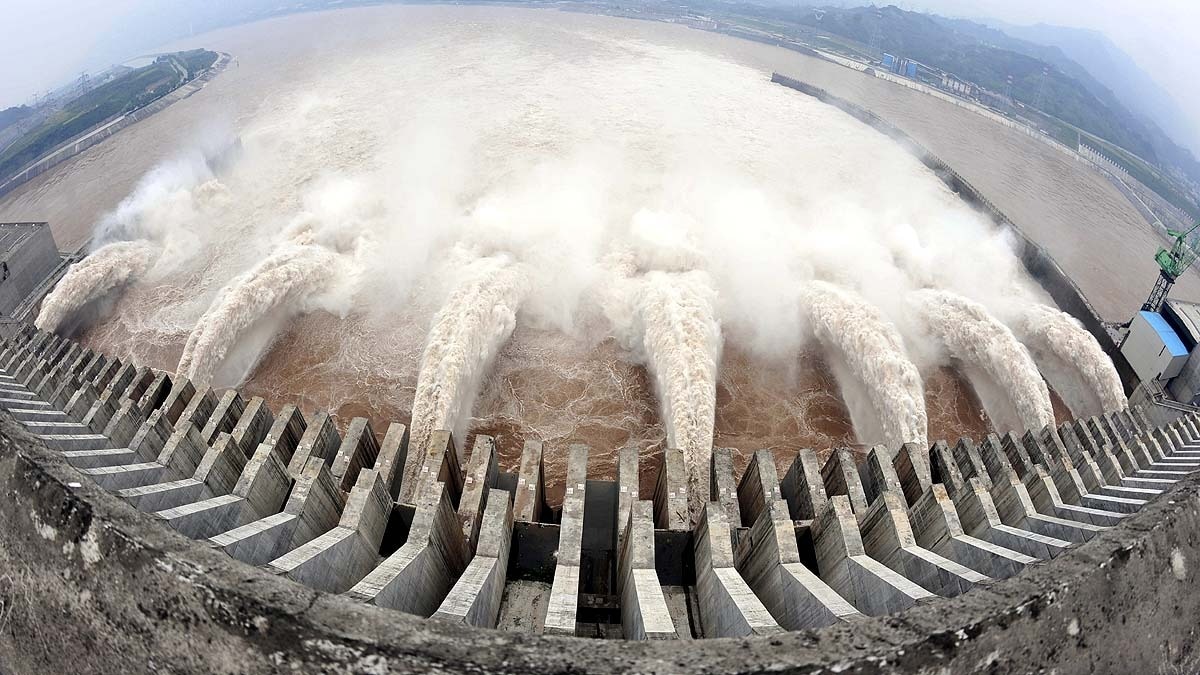
China's construction of a mega-dam on the Brahmaputra River, which the nation touts as a significant achievement, is now raising alarms among scientists. A recent study indicates that the dam is being built in a region characterized by active fault lines. This geological vulnerability poses a substantial risk that has been highlighted by researchers. The location's seismic instability is a primary concern, potentially jeopardizing the dam's structural integrity and the surrounding areas. Scientists are urging a re-evaluation of the project's site selection due to these critical geological findings. The potential consequences of a dam failure in such an active seismic zone are severe, impacting downstream communities and ecosystems.
The construction of large-scale infrastructure projects like dams, particularly in geologically active zones, necessitates rigorous risk assessment and transparent communication. While China views this dam as a major accomplishment, scientific studies highlighting seismic fault lines raise critical questions about the project's long-term viability and safety. Future planning must prioritize robust geological surveys and independent safety evaluations to mitigate potential catastrophic failures. This situation underscores the global challenge of balancing development imperatives with environmental and seismic safety, especially as climate change and geological shifts become more pronounced.
AI-generated to prompt reflection — not editorial opinion, not advice, not a statement of fact. How this works.