China's Budget Brands Face Hurdles in Developed Markets, Mixue Example Shows
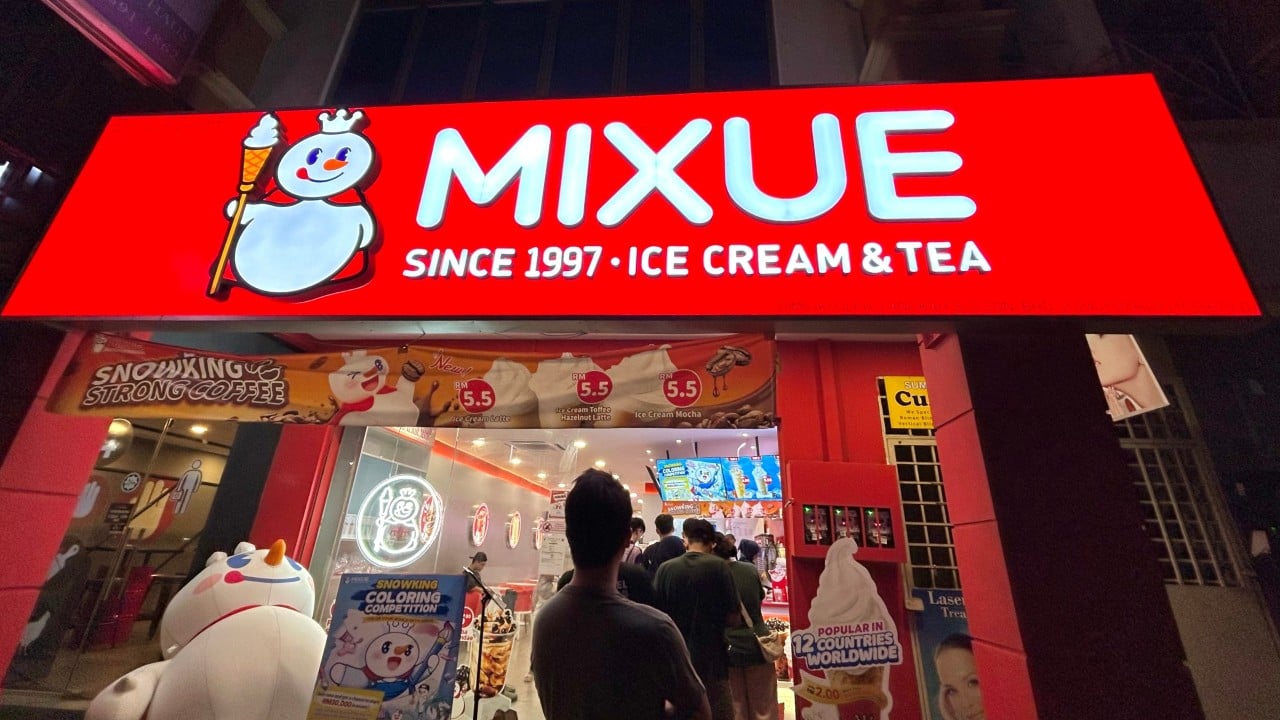
Alisa Lin, who relocated from China to Japan three months ago, has not purchased any beverages from Mixue, a prominent Chinese ice cream and tea chain. This is despite her frequent patronage of the brand in China, where promotional prices for a cup can be as low as five yuan (approximately 73 US cents). Lin noted that Mixue is not a widely popular brand in Japan, with only one of her friends having ever purchased from them. She emphasized that value for money remains her primary purchasing criterion in Tokyo. Although Mixue's standard teas are inexpensive, the cost of a plain bubble tea can be higher than expected. The company, which began its international expansion in 2018, has established over 36,000 stores globally, with a significant presence in Southeast Asia. However, its expansion into developed markets like Japan and South Korea has been slower. Mixue's strategy relies on low prices and a high volume of sales, a model that may face challenges in markets with established competitors and different consumer expectations regarding quality and brand perception. The company's ability to adapt its product offerings and pricing to meet the demands of these more discerning markets will be crucial for its success.
Mixue's international expansion highlights a common challenge for budget-focused brands aiming to penetrate developed markets. While the company's low-price strategy has proven successful in its domestic market and parts of Southeast Asia, consumer preferences and competitive landscapes in countries like Japan and South Korea differ significantly. Developed markets often feature established brands with strong brand loyalty, higher consumer expectations for product quality and service, and a more complex regulatory environment. Mixue's success will hinge on its ability to adapt its value proposition beyond mere price, potentially by enhancing product differentiation, optimizing supply chains for local tastes, and building brand recognition through targeted marketing. The long-term viability of its business model in these markets will depend on balancing cost efficiency with the perceived value offered to a more discerning consumer base, navigating the inherent tension between aggressive cost-cutting and the need for premium market entry.
AI-generated to prompt reflection — not editorial opinion, not advice, not a statement of fact. How this works.