China's BYD Enters Japan's Kei Car Market, Starting Under $14,000
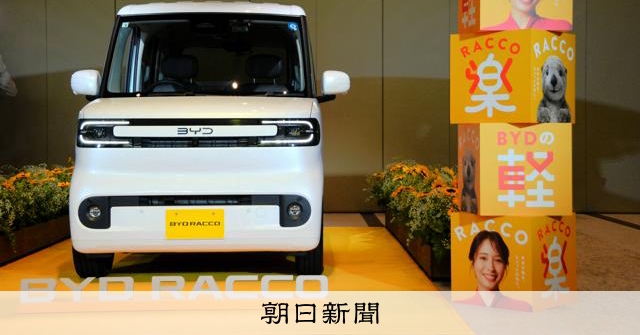
Chinese electric vehicle manufacturer BYD has officially entered Japan's "Kei car" market, a segment historically dominated by domestic brands. The company's first offering in this category is the BYD Dolphin, which is priced to be competitive, with an effective starting price of around 1.99 million yen (approximately $13,500 USD). This move marks a significant challenge to established Japanese automakers who have long held a near-monopoly on this popular vehicle class. Kei cars are characterized by their small size, engine displacement limits, and specific dimensions, making them ideal for Japan's dense urban environments and narrow roads. BYD's entry with an electric model signals a potential shift in consumer preferences and the broader automotive landscape in Japan, pushing for electrification in a segment that has been slower to adopt EVs compared to larger vehicle categories. The company aims to leverage its global expertise in battery technology and EV production to gain a foothold in this crucial market.
BYD's strategic entry into Japan's Kei car segment, a territory long considered a domestic stronghold, highlights the intensifying global competition in the automotive industry, particularly within the burgeoning EV market. This move challenges established Japanese automakers by introducing competitive pricing and electric powertrain options into a segment known for its cost-consciousness and unique regulatory framework. The success of BYD's venture will likely depend on its ability to adapt to Japanese consumer preferences, navigate the existing dealership and service networks, and effectively communicate the value proposition of its electric offerings against familiar domestic brands. This development could accelerate the electrification trend within Japan's Kei car market, potentially influencing future product development and market dynamics for all players over the next decade.
AI-generated to prompt reflection — not editorial opinion, not advice, not a statement of fact. How this works.