China's car sales expected to drop significantly due to rising fuel prices
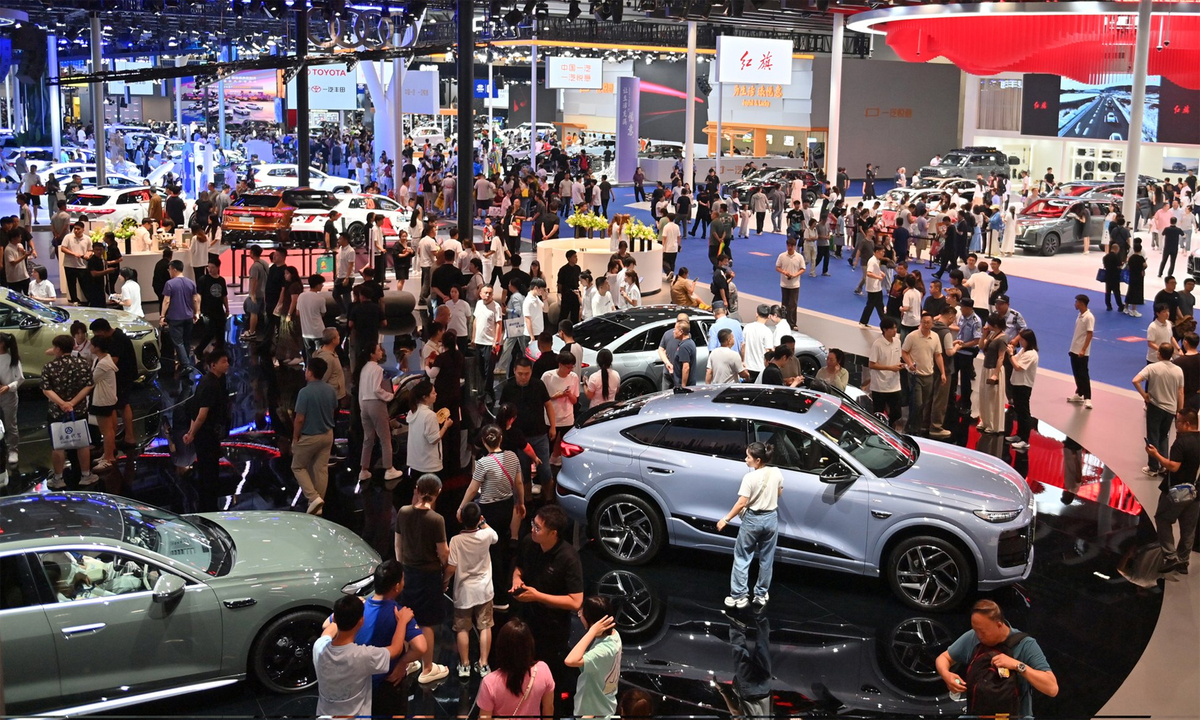
China's automotive sales are projected to experience their sharpest decline since 2021. The primary factor contributing to this anticipated downturn is the impact of escalating fuel prices on gasoline-powered vehicles. This trend suggests a growing consumer sensitivity to operating costs, potentially influencing purchasing decisions towards more fuel-efficient or alternative-energy options. The automotive market in China, a crucial global hub, is facing headwinds that could reshape its landscape. The projected sales slump highlights the interconnectedness of global energy markets and domestic consumer behavior. Industry analysts will be closely monitoring how manufacturers and policymakers respond to these evolving market dynamics. The situation underscores the challenges faced by traditional internal combustion engine vehicles in an era of fluctuating energy costs and increasing environmental awareness. Further analysis will be needed to determine the long-term implications for China's automotive sector and its global standing.
The anticipated decline in China's gasoline car sales, attributed to rising fuel prices, reflects a critical inflection point for the automotive industry. This economic pressure on consumers highlights the vulnerability of traditional internal combustion engine vehicles to external commodity price shocks. As energy costs fluctuate, market forces are increasingly incentivizing a transition towards more energy-efficient and alternative-fuel vehicles. This trend is likely to accelerate the existing shift in manufacturing and consumer preference, potentially creating a more competitive landscape for electric and hybrid vehicle manufacturers. Policymakers may need to consider strategies to support this transition, balancing energy security with environmental goals and economic stability.
AI-generated to prompt reflection — not editorial opinion, not advice, not a statement of fact. How this works.