China's Changing Climate Linked to Moldy Garlic
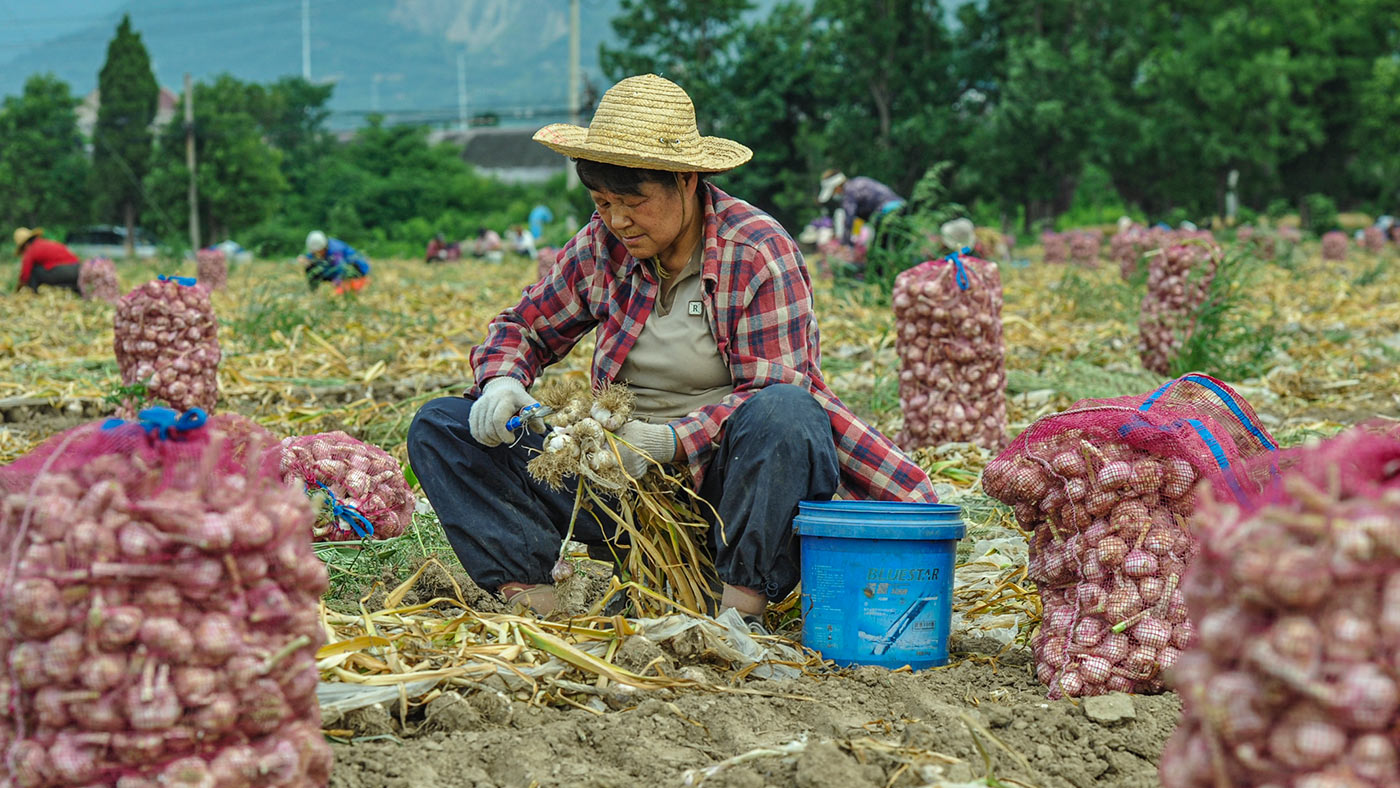
Unusual weather patterns across China during the fall, winter, and spring seasons have significantly impacted garlic production. As the world's primary supplier of garlic, these adverse conditions pose a challenge to farmers. The altered climate is being cited as a potential reason for increased instances of moldy garlic reaching global markets. This situation highlights the vulnerability of agricultural supply chains to climate variability. Farmers in China faced difficulties due to the unpredictable weather. The extent of the impact on the global garlic supply and prices remains to be seen. This event underscores the interconnectedness of global food systems and the influence of regional climate shifts.
This situation illustrates the increasing sensitivity of global agricultural supply chains to climate variability. As extreme weather events become more frequent and intense due to climate change, disruptions in food production in key agricultural regions like China can have widespread economic and consumer impacts. The reliance on a single region for a staple commodity like garlic exposes systemic vulnerabilities. Future agricultural strategies may need to incorporate greater diversification of sourcing and enhanced climate resilience measures to mitigate such risks.
AI-generated to prompt reflection — not editorial opinion, not advice, not a statement of fact. How this works.