China's child influencers face backlash over staged, value-distorting videos
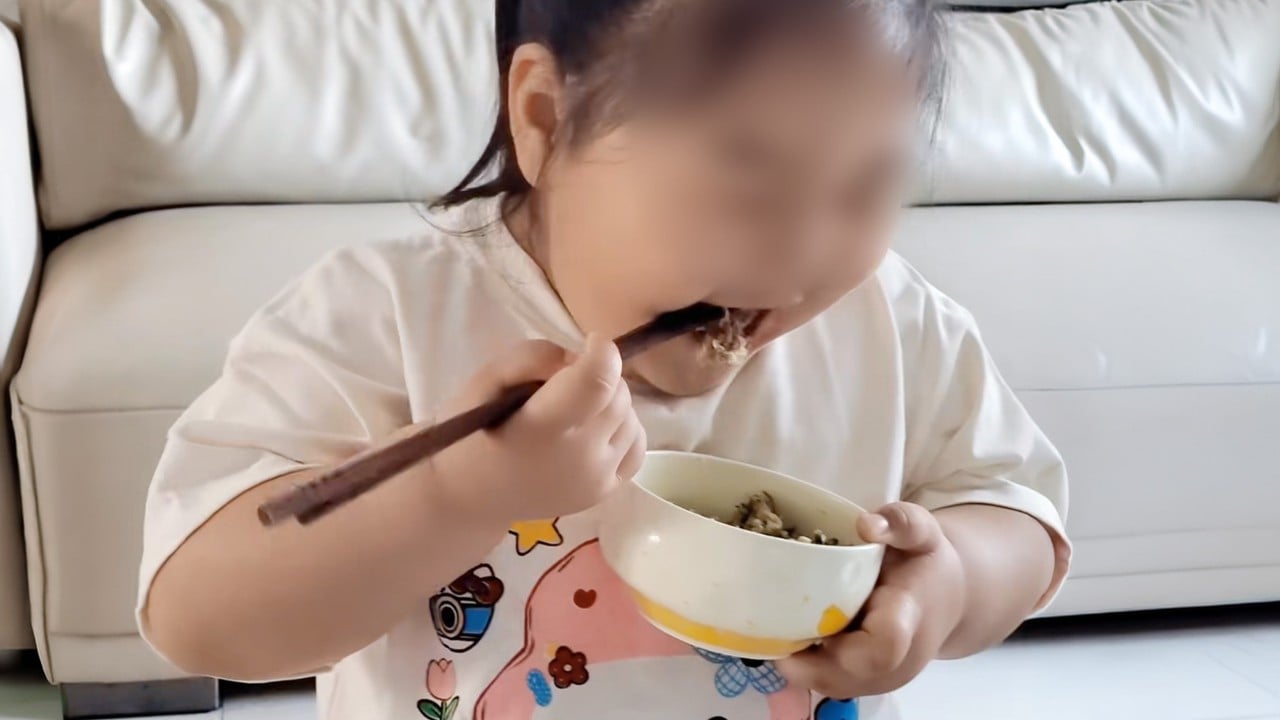
Viral videos featuring Chinese child influencers have sparked controversy due to staged content that appears to distort values. One three-year-old girl reportedly weighs 35kg as a result of her parents feeding her large meals on camera for live-streaming. In another instance, a young boy and girl of the same age are presented as a couple, engaging in onscreen "intimate exchanges." A separate video shows a young boy consuming live worms and snails. These incidents highlight a growing concern surrounding online celebrity children, a phenomenon that has been developing for years but is now drawing significant criticism.
The rise of child influencers on Chinese platforms presents a complex interplay of economic incentives, parental ambition, and evolving digital consumption patterns. While these platforms offer potential financial opportunities, the emphasis on staged and often exploitative content raises significant questions about child welfare and the long-term psychological impact on minors. The monetization of childhood experiences, particularly when involving unusual or potentially harmful activities, warrants scrutiny regarding regulatory frameworks and platform accountability. Future societal norms may need to address the ethical boundaries of online content creation involving children, balancing commercial interests with the imperative to protect developmental well-being and foster authentic values.
AI-generated to prompt reflection — not editorial opinion, not advice, not a statement of fact. How this works.