China's Chip Strategy: Balancing Advanced Imports with Mass Market Exports
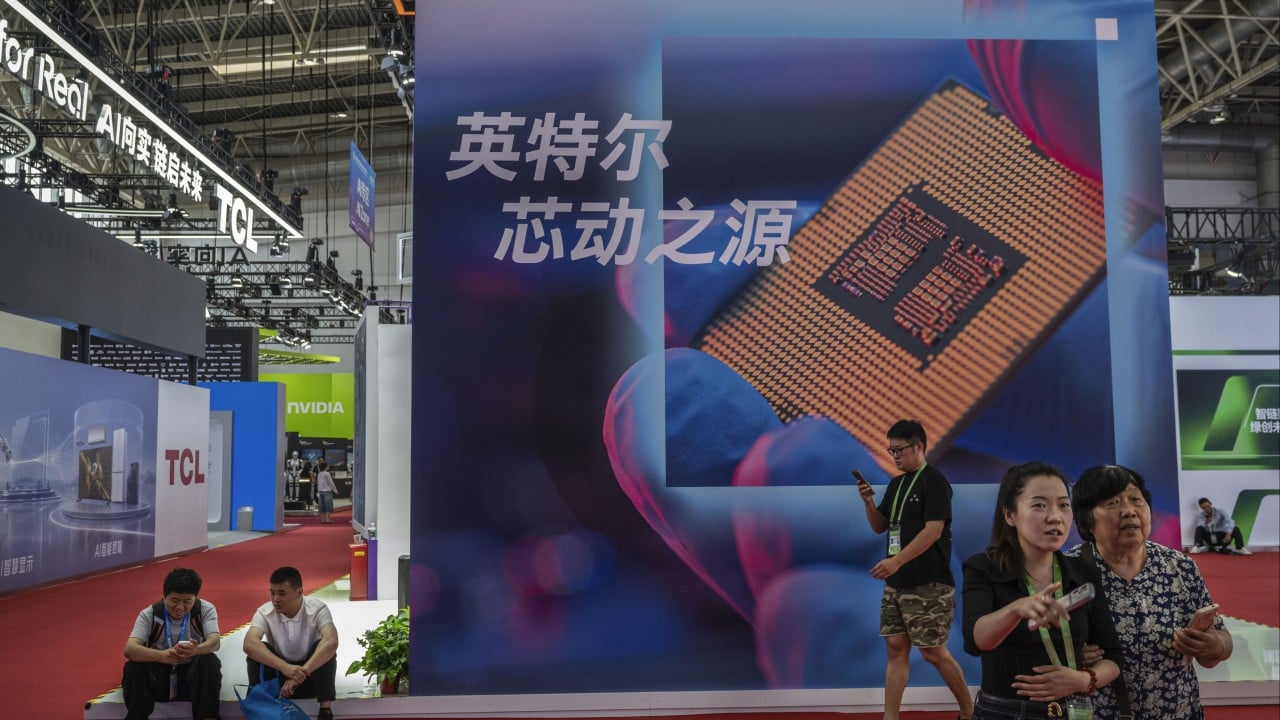
China has resumed importing Nvidia's H200 chips, a slightly less advanced model than the top-tier Blackwell line, though shipments remain limited. Concurrently, China's chip exports experienced a significant surge, nearly doubling in the first half of the current year. The majority of these exported chips are mature logic integrated circuits, primarily destined for consumer electronics and automotive industries. While the United States maintains its leadership in cutting-edge artificial intelligence (AI) chips, China is solidifying its position as a major force in the mass market for legacy chip technology. This dual approach highlights China's evolving strategy within the global semiconductor landscape, aiming to secure access to advanced technologies while leveraging its manufacturing capabilities for broader market segments.
China's semiconductor strategy appears to be a dual-pronged approach, seeking to navigate the complexities of the global chip war. By importing slightly less advanced, yet still capable, AI chips like the H200, China aims to maintain some level of access to critical technologies without directly violating advanced export controls. Simultaneously, the substantial growth in exports of mature logic integrated circuits underscores China's strength in mass-market semiconductor production, catering to sectors like consumer electronics and automotive. This strategy reflects a pragmatic response to geopolitical pressures, prioritizing both immediate technological needs and long-term market dominance in established chip segments. The challenge for China will be to bridge the gap in the most advanced AI chip development while managing international trade restrictions and fostering domestic innovation.
AI-generated to prompt reflection — not editorial opinion, not advice, not a statement of fact. How this works.