China's Communist Party Celebrates 105 Years Amidst Widespread Fear of Anti-Corruption Drive
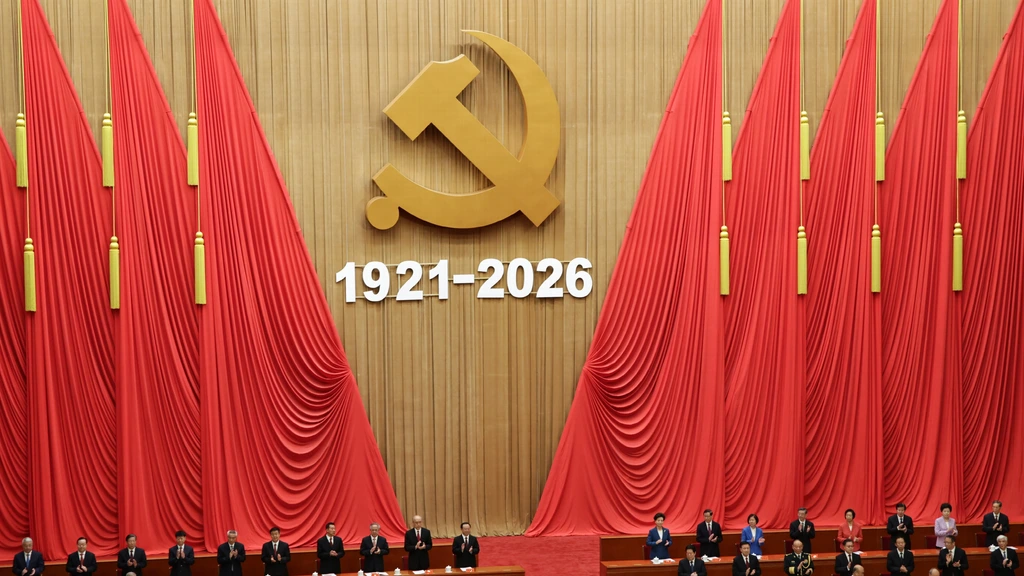
The Chinese Communist Party (CCP) is celebrating its 105th anniversary this week with events and accolades, but the festivities are overshadowed by widespread fear and uncertainty across all levels of governance. This anxiety stems from a sweeping anti-corruption campaign led by Party leader Xi Jinping. While initially praised for its effectiveness, experts now view the campaign with cynicism due to a lack of clarity regarding acceptable conduct, which is paralyzing officials. This paralysis occurs at a critical time, as China faces significant challenges.
Xi Jinping prioritized eradicating corruption upon becoming leader, initiating a campaign that saw numerous high-ranking officials removed and their wrongdoings publicized. This strategy aimed to intimidate lower-level functionaries by targeting powerful figures. The campaign's reach expanded, with increased powers for anti-corruption bodies and nationwide inspection teams. Consequently, the number of reported corruption cases has surged dramatically, from an average of 4,000 annually between 2013 and 2019 to over 30,000 by December 2025, according to Rahul Karan Reddy, a China researcher at the ORCA institute. Reddy attributes this rise to an expanded definition of corruption, which now includes demonstrating "political discipline" – a vague requirement.
Qian Jingyuan, a China researcher at Boston University, notes that the broad and intentionally vague definition of corruption aims to deter officials. While corruption is inherently wrong, Reddy points out that it has sometimes served social and economic functions, with officials historically finding creative, albeit sometimes legally ambiguous, solutions. This current uncertainty has led to risk aversion among officials, who now hesitate to be innovative and merely follow directives from Beijing, hindering the bottom-up reform processes that previously drove progress. Qian suggests the Party must balance economic growth with political control, as many officials deemed "corrupt" under the current definition are also competent economic managers. This avoidance of risk negatively impacts local economic development, especially as China's overall economic growth slows. Despite these concerns, there's no indication the anti-corruption campaign will cease; in fact, cases involving top officials reached a record high in late 2025 and are expected to continue this trend in 2026. Xi Jinping has vowed to continue purging "viruses" from the Party. This campaign serves dual purposes: pressuring local governments to implement central policies and rewarding loyalists with promotions, shifting the focus from economic performance to political loyalty and adherence to Beijing's directives, raising questions about the long-term benefit for the populace.
The CCP's 105th anniversary is marked by a significant paradox: celebrating achievements while simultaneously fostering an environment of fear through its intensified anti-corruption drive. This campaign, while ostensibly aimed at rooting out malfeasance, appears to be increasingly employed as a tool for consolidating political power and ensuring ideological conformity. The broad and ambiguous definition of "political discipline" creates a chilling effect, discouraging initiative and risk-taking among officials, which could stifle economic dynamism and local governance innovation. This focus on loyalty over performance, particularly in the lead-up to the National Party Congress, suggests a prioritization of political stability and central control over pragmatic economic management. The long-term implications of prioritizing political adherence over demonstrated competence in economic development, especially given China's slowing growth, warrant careful observation regarding the Party's ability to maintain its legitimacy and effectively serve its populace.
AI-generated to prompt reflection — not editorial opinion, not advice, not a statement of fact. How this works.