China's Drug Sector Targets AI-Driven Innovation for Future Dealmaking
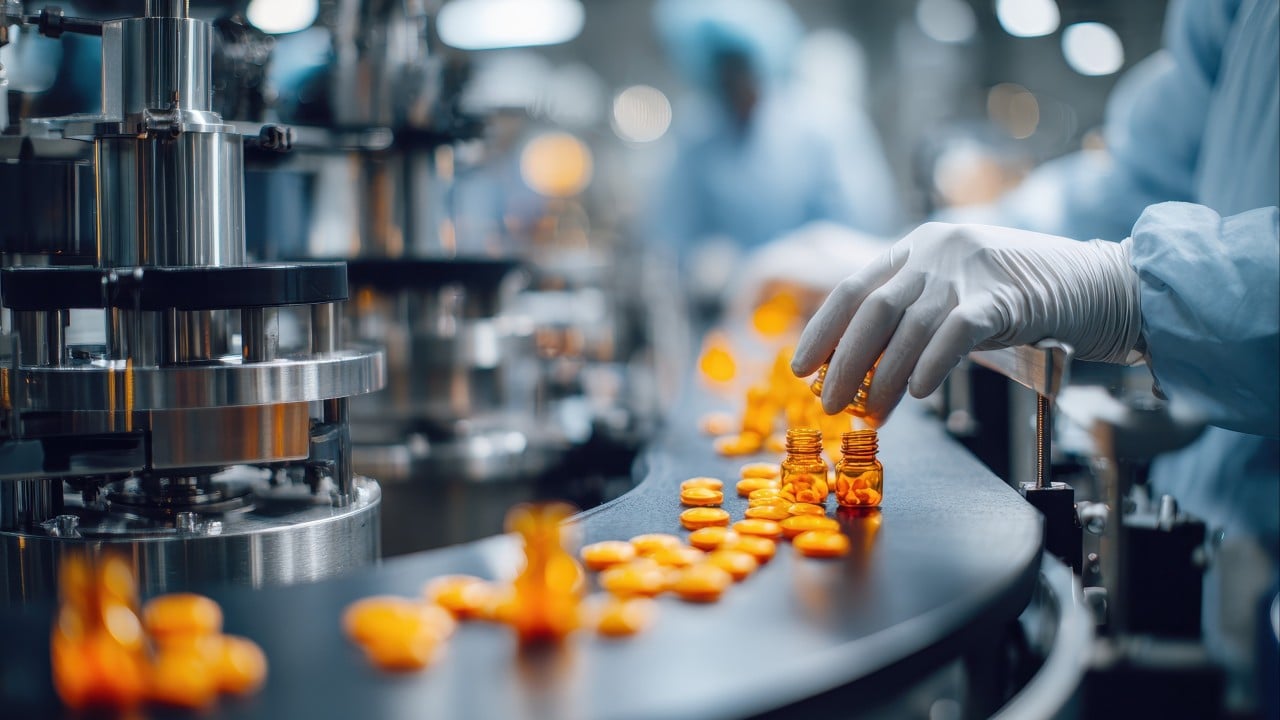
Following a record-breaking US$110 billion in cross-border deals for innovative drugs during the first half of 2026, China's pharmaceutical industry is shifting its focus towards artificial intelligence-powered drug candidates. This strategic pivot aims to fuel the next cycle of significant transactions within the sector. According to Lan Gongtao, deputy director general of the Department of Drug Registration at the National Medical Products Administration, China is a major player in global drug development. The nation is responsible for approximately 30 percent of all new drugs currently undergoing development worldwide, positioning it as the second-largest contributor globally. This emphasis on AI-driven research and development is expected to shape the future landscape of drug discovery and commercial partnerships in China.
The Chinese pharmaceutical sector's strategic pivot towards AI-powered drug candidates signals a proactive adaptation to evolving global R&D paradigms. This move, occurring in the wake of substantial cross-border deal-making, suggests an industry-wide recognition of AI's potential to accelerate discovery and enhance the value proposition of its pipeline. By focusing on AI-driven innovation, China aims to capture a larger share of future pharmaceutical deal flow, potentially shifting from a position of development volume to one of pioneering innovation. This strategy aligns with broader global trends in the life sciences, where AI is increasingly seen as a critical enabler for addressing complex biological challenges and improving therapeutic outcomes. The long-term success of this pivot will likely depend on the nation's ability to foster a robust ecosystem that supports AI integration, from data infrastructure to regulatory frameworks, ensuring a sustainable competitive advantage in the next decade.
AI-generated to prompt reflection — not editorial opinion, not advice, not a statement of fact. How this works.