China's E-commerce Logistics: Delivering a $2 Bouquet Over 2,000 km
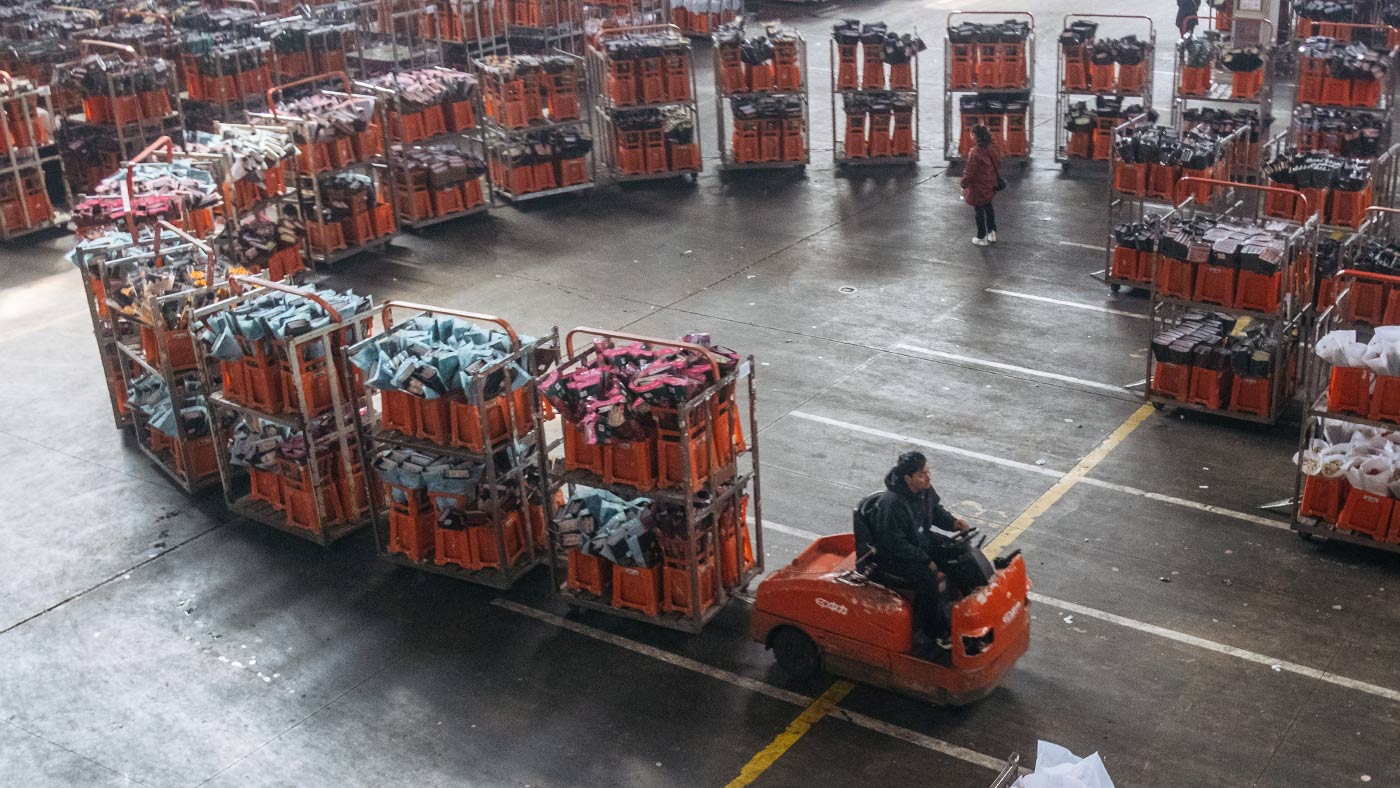
A seemingly simple online flower purchase, costing just 14 yuan (approximately $2), highlights the sophisticated supply-chain design underpinning China's low-cost e-commerce economy. This transaction, spanning over 2,000 kilometers, demonstrates the efficiency and scale required to make such affordable deliveries a reality. The logistics involved in moving perishable goods like flowers across vast distances at such a low price point are a testament to advanced infrastructure and operational strategies. It underscores how China has built a robust e-commerce ecosystem capable of meeting diverse consumer demands, even for inexpensive items. This model relies on optimized warehousing, rapid transportation networks, and potentially significant subsidies or economies of scale. The ability to deliver a bouquet of flowers for such a minimal cost over thousands of kilometers is a key indicator of the country's competitive advantage in global e-commerce. It reflects a deep integration of technology and physical infrastructure designed for high-volume, low-margin transactions. This logistical prowess is a critical component of China's broader economic strategy, enabling widespread access to goods and services.
The ability to deliver a 14-yuan flower bouquet over 2,000 kilometers in China showcases an advanced, highly optimized logistics network. This system likely leverages economies of scale, significant investment in infrastructure, and potentially innovative technological solutions for inventory management and last-mile delivery. The low price point suggests a business model that prioritizes volume and market share, possibly at the expense of individual transaction profitability, relying on broader ecosystem benefits. This efficiency could be a competitive advantage, but also raises questions about labor conditions and environmental impact associated with such extensive, low-cost shipping. The sustainability of such a model, particularly in the face of rising operational costs and increasing consumer awareness of ethical sourcing, will be a key factor to monitor in the coming decade.
AI-generated to prompt reflection — not editorial opinion, not advice, not a statement of fact. How this works.
