China's Economic Advantage Amidst Iran-US Tensions in the Strait of Hormuz
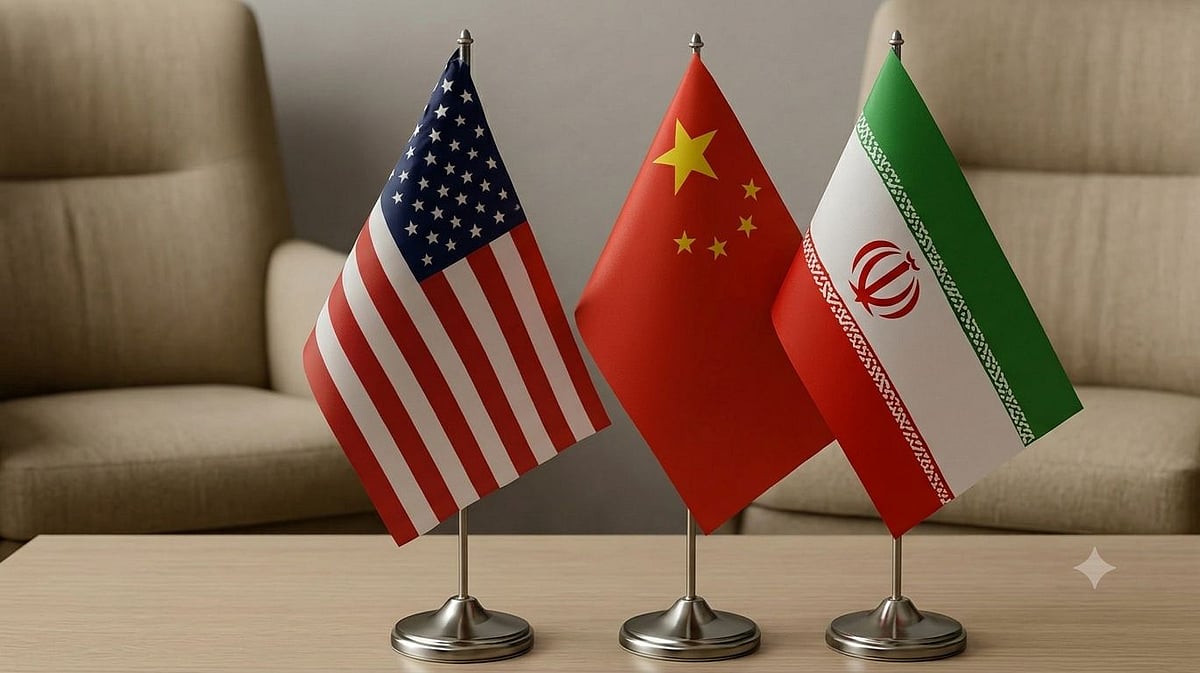
While the Strait of Hormuz crisis has increased volatility in the global energy market, China finds itself in a comparatively advantageous position due to its substantial energy reserves and strong reliance on renewable energy sources. The geopolitical tensions between Iran and the United States, which often involve the strategic Strait of Hormuz, have historically led to fluctuations in oil prices and supply chain disruptions. However, China's diversified energy portfolio, including significant investments in renewable technologies like solar and wind power, mitigates its vulnerability to these external shocks. This strategic positioning allows China to potentially benefit economically as other nations grapple with energy insecurity. The country's large domestic energy reserves further bolster its resilience against international market instability.
Geopolitical flashpoints like the Strait of Hormuz can create ripple effects across global energy markets, impacting supply, demand, and pricing. Nations with diversified energy portfolios, robust domestic reserves, and significant investments in renewable infrastructure, such as China, are better insulated from such volatility. This resilience can translate into economic advantages, potentially allowing for more stable energy costs and greater leverage in international trade negotiations. The situation highlights the strategic importance of energy independence and the long-term benefits of transitioning to sustainable energy sources in navigating an increasingly unpredictable global landscape.
AI-generated to prompt reflection — not editorial opinion, not advice, not a statement of fact. How this works.