China's Economy Slows Sharply in Q2, Missing Expectations
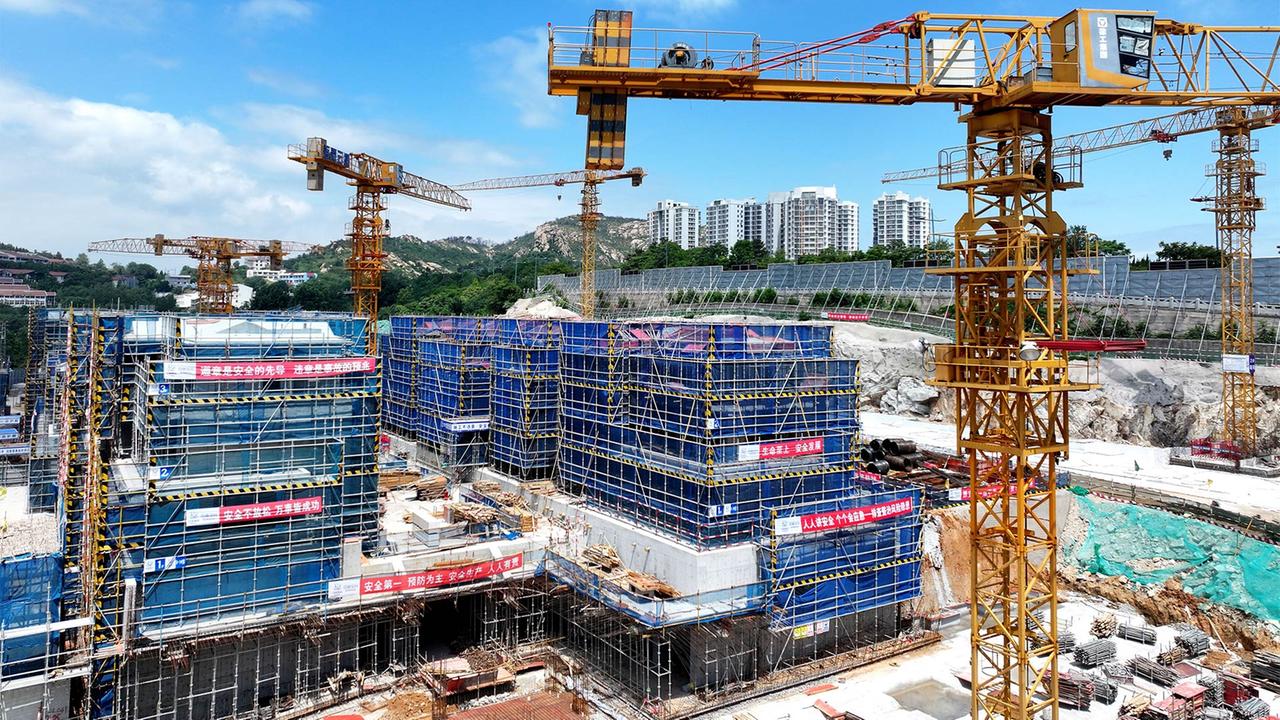
China's economic growth decelerated significantly in the second quarter of the year, marking the slowest pace seen since the end of 2022. The country's Gross Domestic Product (GDP) failed to meet market expectations, indicating a loss of momentum. This slowdown is primarily attributed to weak consumer spending and the ongoing crisis within the real estate market. These factors are exerting considerable pressure on the overall economic outlook. The government and policymakers face challenges in stimulating domestic demand and stabilizing the property sector. Further economic data releases will be crucial in assessing the trajectory of China's recovery. The implications of this slowdown could extend beyond China's borders, impacting global trade and supply chains. Authorities are expected to consider measures to bolster economic activity.
The reported slowdown in China's Q2 economic growth, attributed to weak consumption and the property crisis, highlights persistent structural challenges. While short-term stimulus measures may offer temporary relief, the underlying issues suggest a need for deeper reforms. The interplay between state-directed investment and market-driven consumption remains a key dynamic. Future economic performance will likely depend on the government's ability to rebalance growth drivers, foster private sector confidence, and navigate the complex deleveraging process in the real estate sector. The global economic environment will also play a role, as a slowdown in China can have ripple effects worldwide.
AI-generated to prompt reflection — not editorial opinion, not advice, not a statement of fact. How this works.