China's Economy Slows to 4.3% Amid Weak Consumer Spending and Property Crisis
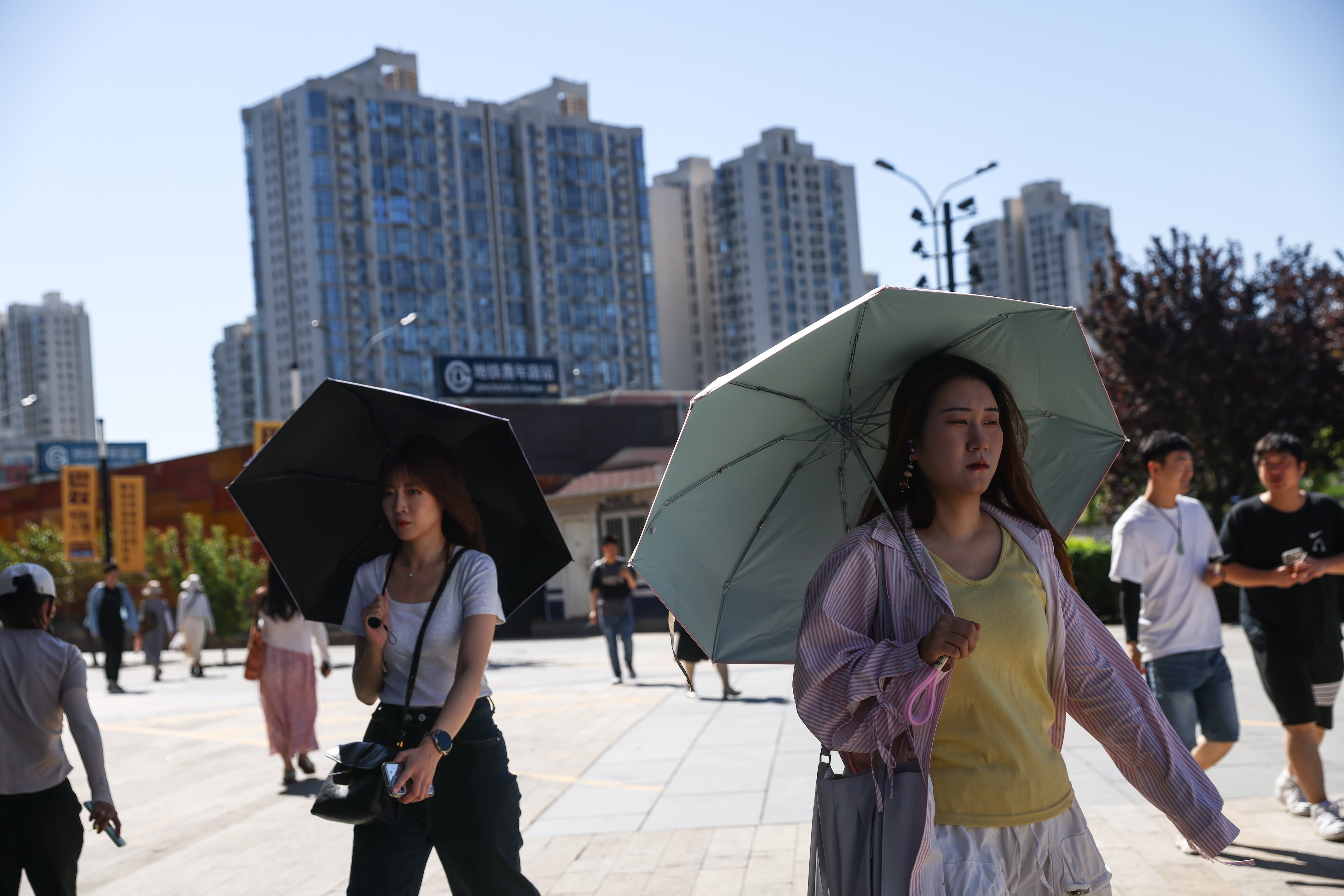
China's Gross Domestic Product (GDP) experienced its slowest growth rate since the end of 2022, registering a 4.3% increase in the second quarter. This figure fell short of market expectations, despite a notable surge in the Asian giant's exports. The slowdown is attributed to a combination of factors, primarily weak domestic consumer spending and the ongoing crisis within the real estate sector. The property market downturn continues to exert significant pressure on economic activity, impacting investment and overall confidence. Authorities are facing the challenge of stimulating domestic demand while managing the risks associated with the property sector's instability. The export performance offered some relief, but it was not enough to offset the drag from internal economic weaknesses. This economic deceleration raises concerns about China's ability to meet its annual growth targets and its broader impact on the global economy.
The reported 4.3% GDP growth in China's second quarter highlights the persistent tension between export-driven growth and domestic demand challenges. The nation's economic model appears increasingly reliant on external markets to compensate for internal weaknesses, particularly in consumer spending and the real estate sector. This reliance creates vulnerabilities to global economic shifts and trade dynamics. The government faces a complex balancing act: stimulating domestic consumption without exacerbating property market risks or increasing inflationary pressures. Future policy decisions will be critical in navigating these systemic contradictions and determining the sustainability of China's economic trajectory over the next decade, especially as global economic power dynamics evolve.
AI-generated to prompt reflection — not editorial opinion, not advice, not a statement of fact. How this works.