China's Envoy Calls Meeting with Philippine President 'Constructive' After Maritime Incident
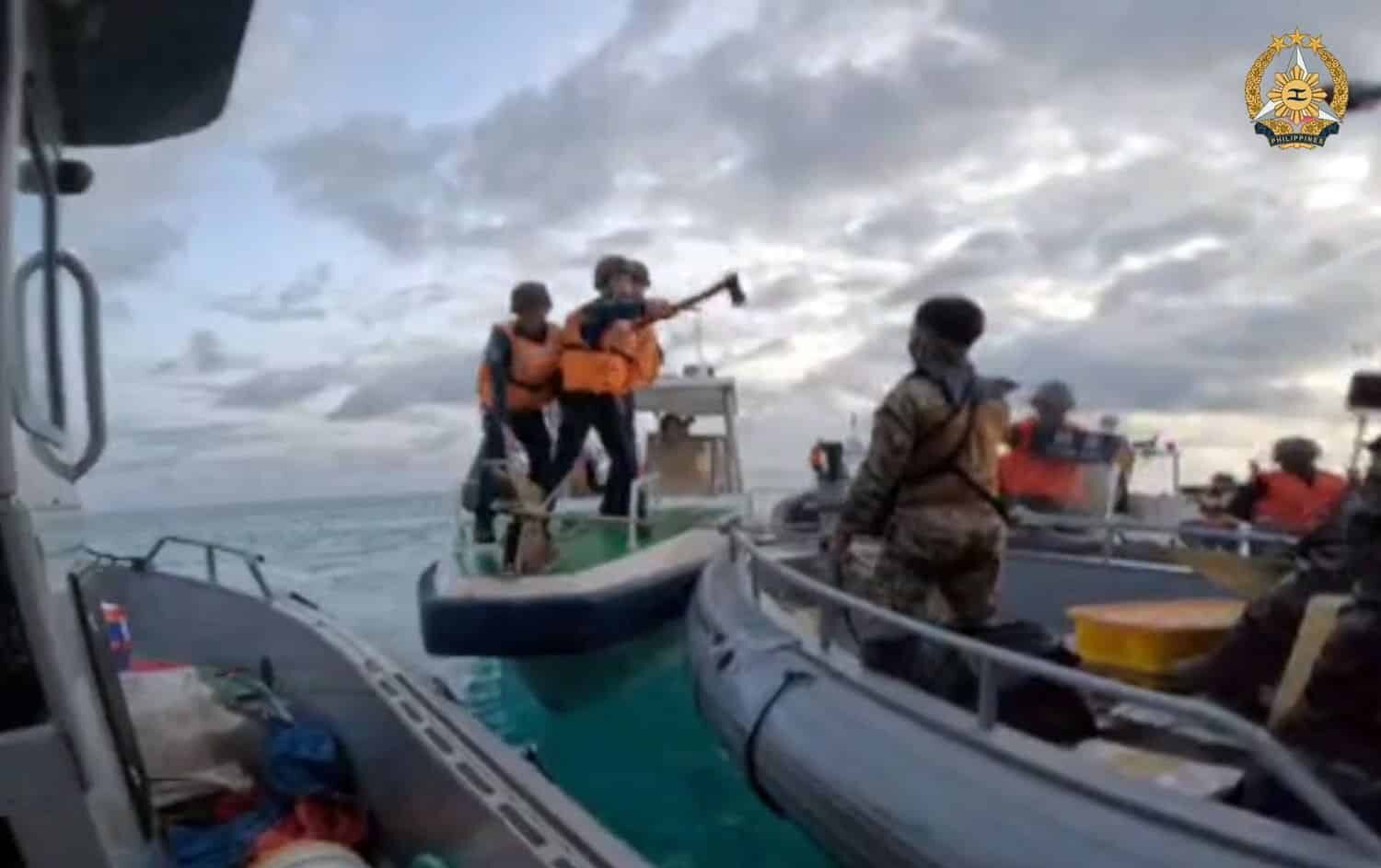
Chinese Ambassador to the Philippines, Jing Quan, described his meeting with President Ferdinand R. Marcos Jr. on Tuesday as "constructive." This meeting occurred in the aftermath of a recent incident involving the Chinese Coast Guard and the Philippine Navy near Ayungin (Second Thomas) Shoal. Ambassador Jing indicated that both sides reached an agreement to maintain certain aspects of their discussions, particularly concerning unexpected meetings. The ambassador's remarks suggest an effort to de-escalate tensions following the maritime confrontation. The specific details of the "constructive" agreements were not fully disclosed, but the focus appears to be on managing future interactions. This diplomatic engagement aims to prevent further escalation of disputes in the South China Sea. The meeting underscores the ongoing diplomatic efforts to navigate complex territorial issues between China and the Philippines. Both nations are seeking ways to manage their differences while maintaining communication channels.
The "constructive" framing of the meeting between China's envoy and the Philippine President, occurring shortly after a maritime confrontation, suggests a diplomatic maneuver to manage perceptions and de-escalate immediate tensions. This approach allows both nations to signal a commitment to dialogue without necessarily resolving the underlying territorial disputes. The emphasis on "keeping parts of the sudden meeting" implies a focus on procedural agreements or communication protocols rather than substantive concessions on sovereignty claims. In the context of the evolving geopolitical landscape and the increasing strategic importance of maritime resources, such diplomatic engagements are crucial for maintaining regional stability. However, the long-term effectiveness will depend on whether these procedural agreements translate into verifiable changes in behavior and a more robust framework for conflict resolution, particularly as technological advancements in maritime surveillance and operational capabilities continue to shape the strategic environment.
AI-generated to prompt reflection — not editorial opinion, not advice, not a statement of fact. How this works.