China's Favorability Surpasses US in 36-Country Survey; US Trust Plummeted Under Trump
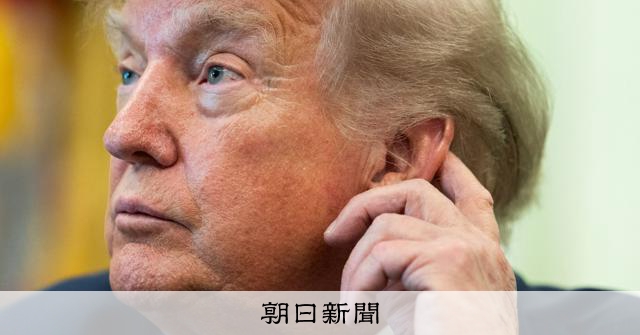
A survey conducted across 36 countries reveals that China's favorability rating has now surpassed that of the United States. This shift in perception is particularly notable given the significant decline in trust towards the US during the Trump administration. The findings suggest a changing global landscape in how major world powers are viewed by other nations. The survey's methodology and specific country breakdowns were not detailed in the provided headline and body, but the overarching trend indicates a potential recalibration of international relations and public opinion. This development could have implications for diplomatic efforts, trade agreements, and geopolitical alliances moving forward. The contrast between China's rising favorability and the US's falling trust highlights the impact of political leadership and foreign policy on a nation's global image. Further analysis would be needed to understand the specific factors driving these perceptions in each of the surveyed countries. The data points to a complex and evolving international environment where perceptions are fluid and subject to change based on governmental actions and global events.
This survey data suggests a potential shift in global public opinion, where perceptions of China have improved relative to the United States, particularly following a period of declining trust in the US under the Trump administration. This trend may reflect evolving geopolitical dynamics and the impact of national leadership on international favorability. It prompts consideration of how foreign policy decisions and global engagement strategies influence a nation's soft power and its standing among other countries. The findings encourage an examination of the long-term implications for international cooperation and the potential for new alignments in a multipolar world, emphasizing the importance of consistent and globally-minded diplomatic engagement.
AI-generated to prompt reflection — not editorial opinion, not advice, not a statement of fact. How this works.