China's Gold Connect Program Signals Strategic Financial Opening, Not Full Liberalization
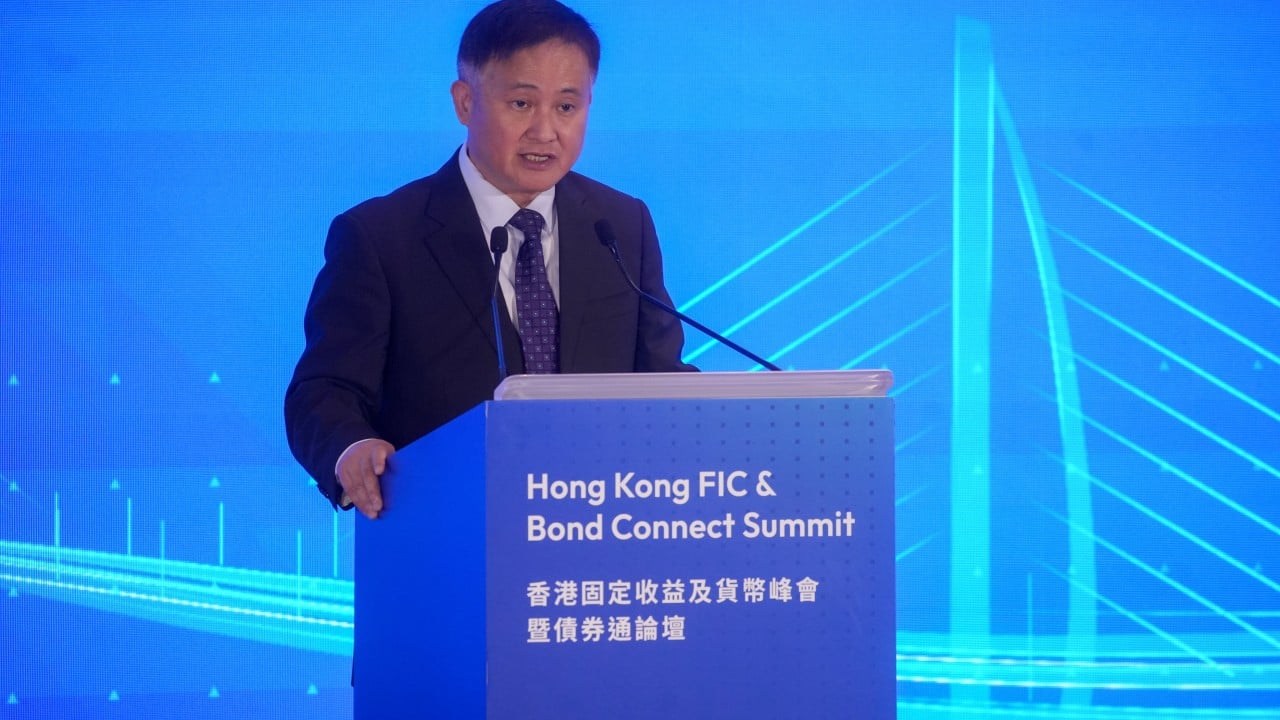
Hong Kong launched its new Delivery Connect program on July 7, which is part of the city's gold clearing and settlement system. While much of the focus has been on gold itself, the initiative represents a significant step in China's approach to opening its financial markets. This program is seen as evidence that Beijing is pursuing a distinct model of financial integration rather than full-scale liberalization. Instead of a broad embrace of open markets, China is opting for a gradual integration with global financial systems. This strategy involves carefully managed steps to connect its markets. The Delivery Connect program, therefore, is more than just a financial product; it's a key indicator of China's long-term strategy for engaging with the international financial community. This approach prioritizes control and stability while selectively opening up specific sectors. The program's design suggests a deliberate effort to manage the pace and scope of financial opening.
The introduction of Hong Kong's Delivery Connect program, centered on gold, illustrates China's pragmatic approach to financial market integration. Rather than pursuing rapid, wholesale liberalization, Beijing appears to be implementing a phased strategy. This model prioritizes maintaining domestic financial stability and control while selectively engaging with global markets. The program's design suggests a careful balancing act between attracting foreign capital and mitigating potential risks. Over the next decade, this controlled integration may allow China to deepen its financial ties without compromising its economic sovereignty. However, it also raises questions about the long-term efficiency and dynamism of markets that are subject to such deliberate pacing and oversight.
AI-generated to prompt reflection — not editorial opinion, not advice, not a statement of fact. How this works.