China's Great Green Wall Project Linked to Surge in Allergy Cases
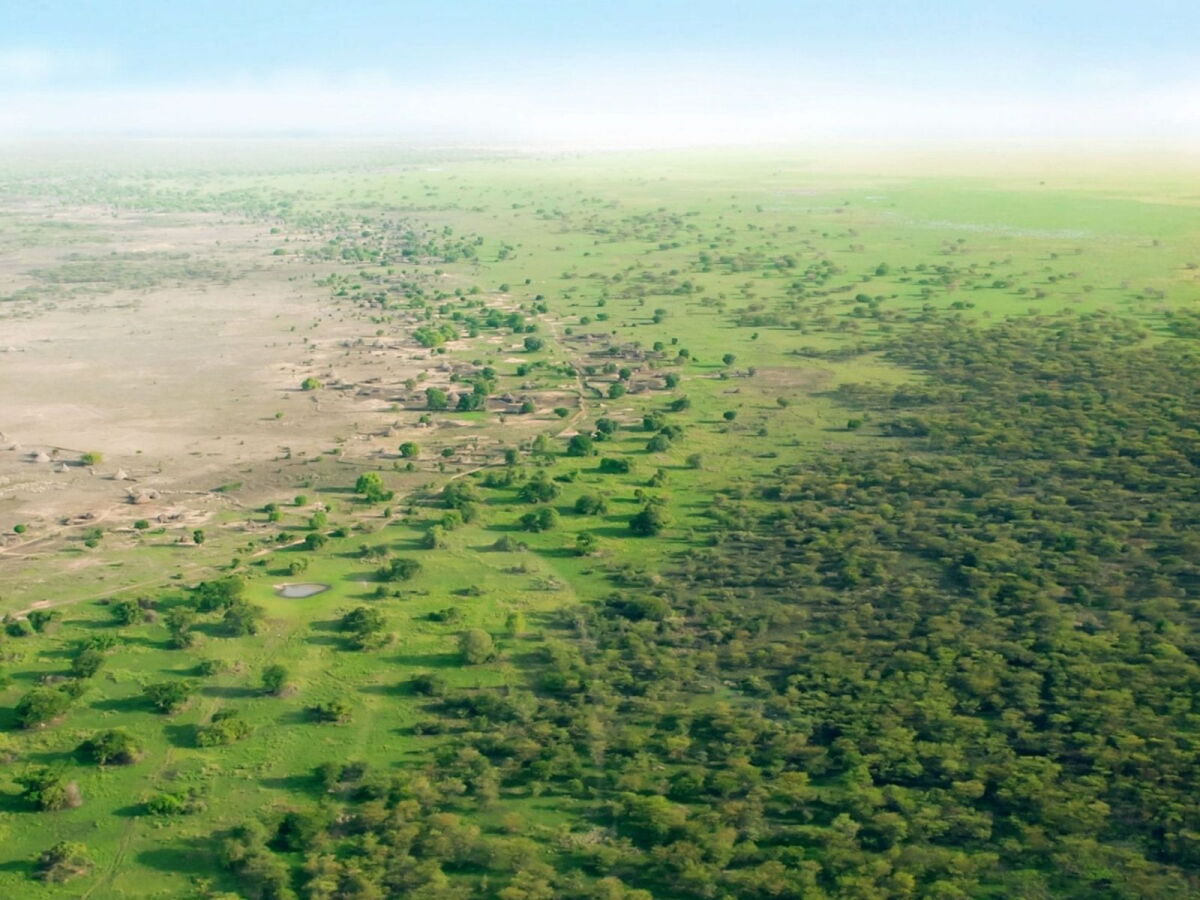
China's ambitious "Great Green Wall" initiative, launched in 1978, has resulted in the planting of over 66 billion trees. The primary objectives of this massive afforestation project were to combat desertification and mitigate sandstorms. However, the selection of certain tree species has inadvertently led to a significant increase in allergy-related health issues among the population. This unintended consequence highlights a critical challenge in large-scale ecological engineering projects: balancing environmental goals with public health considerations. The project's long-term success may depend on addressing these health impacts and potentially adapting future planting strategies.
The extensive afforestation efforts under China's Great Green Wall project, while aimed at combating desertification and sandstorms, have introduced an unforeseen public health challenge through increased allergy rates. This situation underscores the complex interplay between ecological interventions and human well-being. Future large-scale environmental projects must incorporate robust public health impact assessments and species selection protocols that prioritize not only ecological resilience but also minimize adverse health outcomes for affected populations. A systems-thinking approach is crucial to ensure that solutions to one environmental problem do not inadvertently create or exacerbate others, particularly in the context of evolving climate and health landscapes.
AI-generated to prompt reflection — not editorial opinion, not advice, not a statement of fact. How this works.