China's Greening Mission: 66 Billion Trees Planted, New Study Reveals Growth
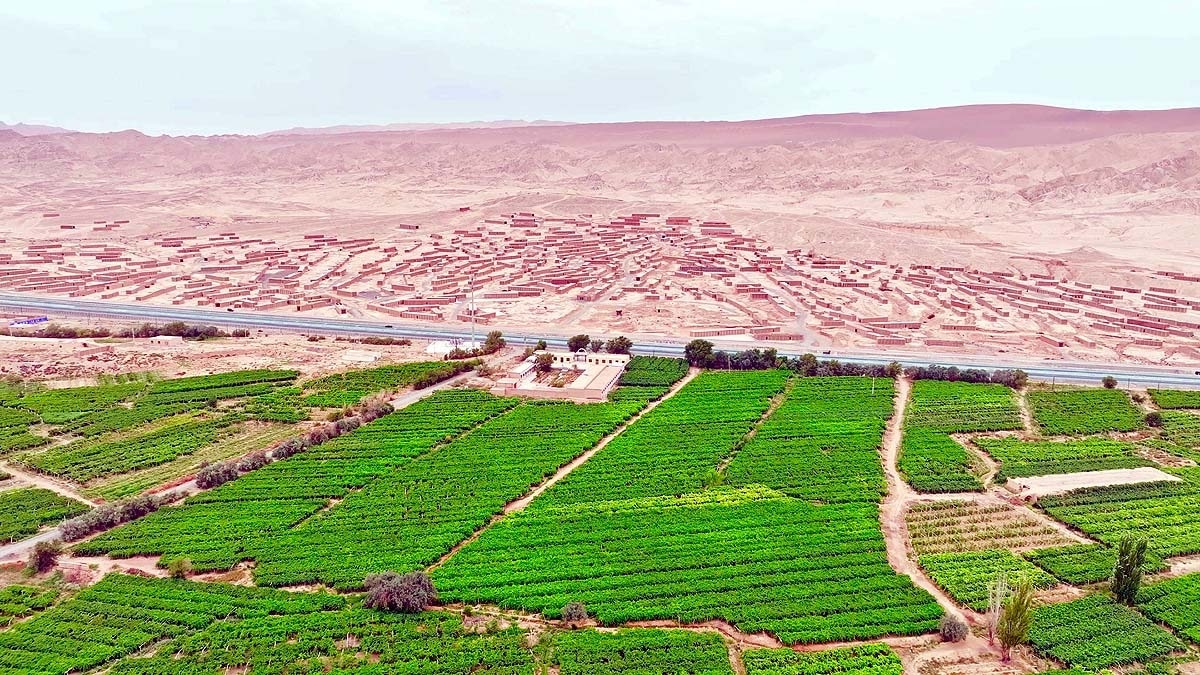
China has planted 66 billion trees as part of a massive initiative to reforest two of its deserts, and a new study has revealed key findings about the growth of these trees. This ambitious project aims to combat desertification and improve ecological conditions across vast arid regions. The "growth report" from this extensive undertaking is now available, offering insights into the success and challenges of such large-scale environmental restoration efforts. The study delves into the effectiveness of the planting strategies employed and the long-term viability of the newly established vegetation. These findings are crucial for understanding the impact of China's environmental policies and their contribution to global ecological goals. The initiative represents one of the world's largest ecological restoration projects, with significant implications for climate change mitigation and biodiversity conservation.
China's extensive tree-planting initiative, involving 66 billion saplings, represents a significant state-led effort to reclaim desertified land. While the sheer scale of the operation is noteworthy, a critical assessment should focus on the long-term ecological sustainability and biodiversity impact beyond mere species count. Evaluating the success requires analyzing the survival rates, the suitability of the chosen species to arid environments, and the potential for these monoculture or near-monoculture plantations to create resilient ecosystems. Future strategies might benefit from integrating diverse native flora and considering the water resource implications in already water-scarce regions to ensure genuine, lasting environmental improvement rather than a temporary greening effect.
AI-generated to prompt reflection — not editorial opinion, not advice, not a statement of fact. How this works.