China's Growing Industrial Might Presents New Challenges to German Manufacturers
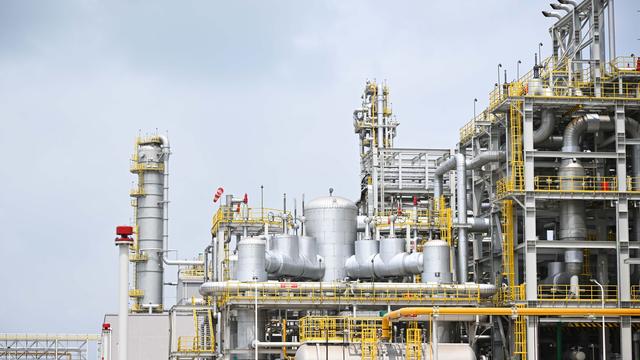
German industry is facing a significant competitive challenge from China, dubbed "China Shock 2.0." This new wave of competition stems from China's rapidly advancing industrial capabilities, which are increasingly impacting German manufacturers. The situation highlights a shift in the global economic landscape, where China is no longer just a low-cost producer but a formidable competitor across various industrial sectors.
This development poses a substantial threat to Germany's traditional manufacturing strengths and its export-oriented economy. The German industrial sector, a cornerstone of the nation's economic prosperity, must now adapt to this intensified rivalry. The implications of "China Shock 2.0" extend beyond mere market share, potentially affecting technological leadership and employment within Germany.
The emergence of "China Shock 2.0" underscores a fundamental evolution in global manufacturing dynamics. China's transition from a low-cost assembly hub to a sophisticated industrial power reflects strategic investments in technology, research, and development. German industry, historically reliant on its engineering prowess and quality, faces the imperative to innovate and differentiate its offerings. This competitive pressure may necessitate a re-evaluation of supply chains, a focus on high-value niche markets, and accelerated adoption of Industry 4.0 technologies to maintain a competitive edge. The long-term challenge lies in fostering an environment that supports continuous innovation and adaptability within German manufacturing to navigate the evolving global economic order.
AI-generated to prompt reflection — not editorial opinion, not advice, not a statement of fact. How this works.