China's Hukou System: A Reform to Ease Internal Migration Barriers
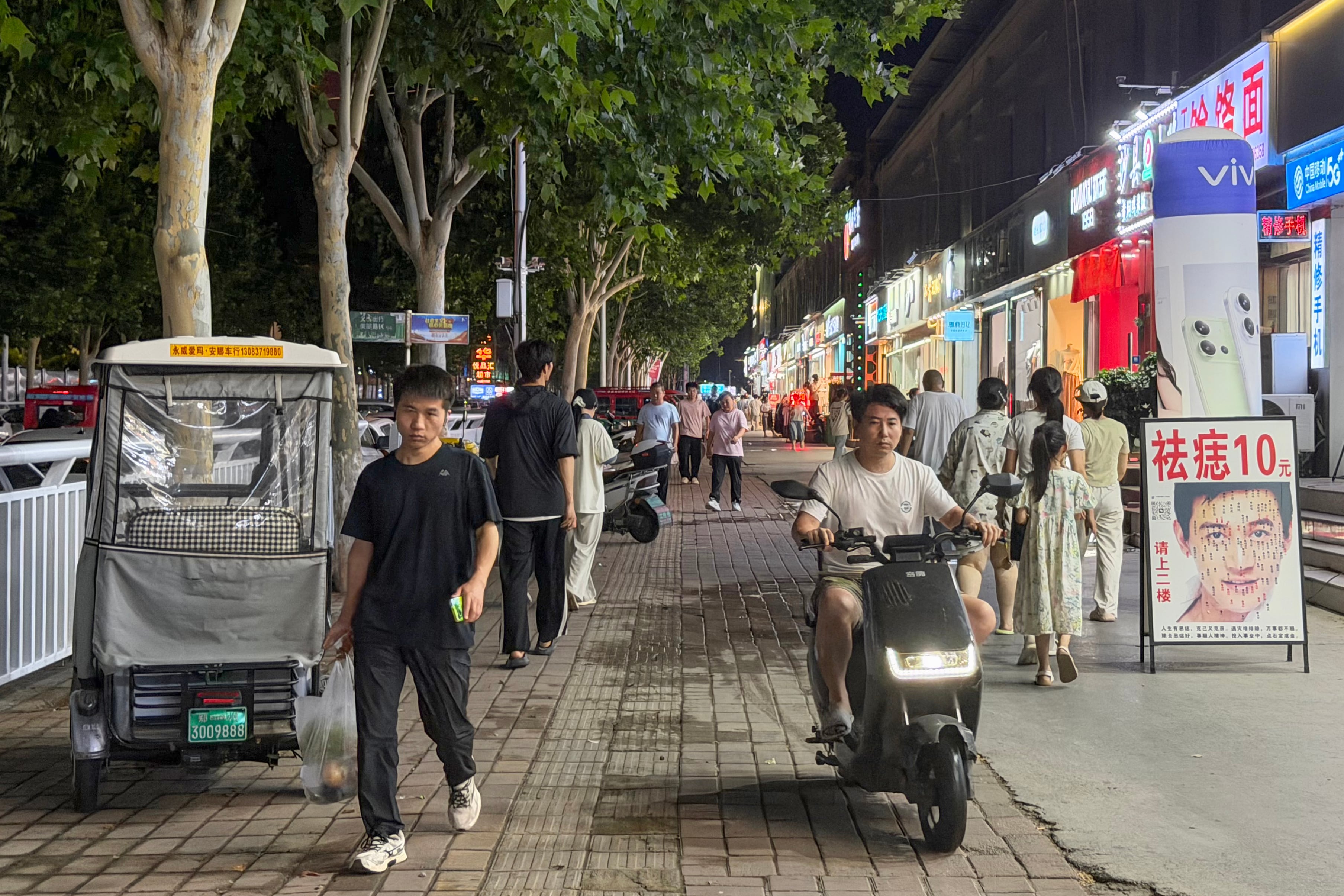
The Chinese government is advancing a significant reform aimed at dismantling the invisible barriers created by the 'hukou' system, which has long tracked internal migrants. This initiative seeks to grant nearly 358 million citizens, who currently reside outside their registered hometowns, equal access to public services. Historically, the hukou, or household registration system, has tied access to education, healthcare, and social welfare to one's registered place of residence. This reform intends to level the playing field, allowing these internal migrants to access services on par with local residents in their current locations. The move is expected to address long-standing inequalities and facilitate smoother internal migration within the country. By reforming this deeply entrenched system, China aims to foster greater social equity and economic integration for a substantial portion of its population.
The proposed hukou reform addresses a critical structural impediment to China's internal mobility and social equity. By aiming to decouple access to public services from the place of household registration, the government seeks to mitigate the economic and social disadvantages faced by hundreds of millions of internal migrants. This policy shift could potentially unlock greater labor market flexibility and stimulate consumption in urban areas by reducing the precariousness of migrant populations. However, the successful implementation will depend on the allocation of resources and the willingness of local governments to integrate new populations into their service provision frameworks. The long-term implications may include a more integrated national economy and a reduction in regional disparities, aligning with broader trends toward urbanization and a more service-based economy.
AI-generated to prompt reflection — not editorial opinion, not advice, not a statement of fact. How this works.