China's Humanoid Robot Production Poised to Exceed 100,000 Units
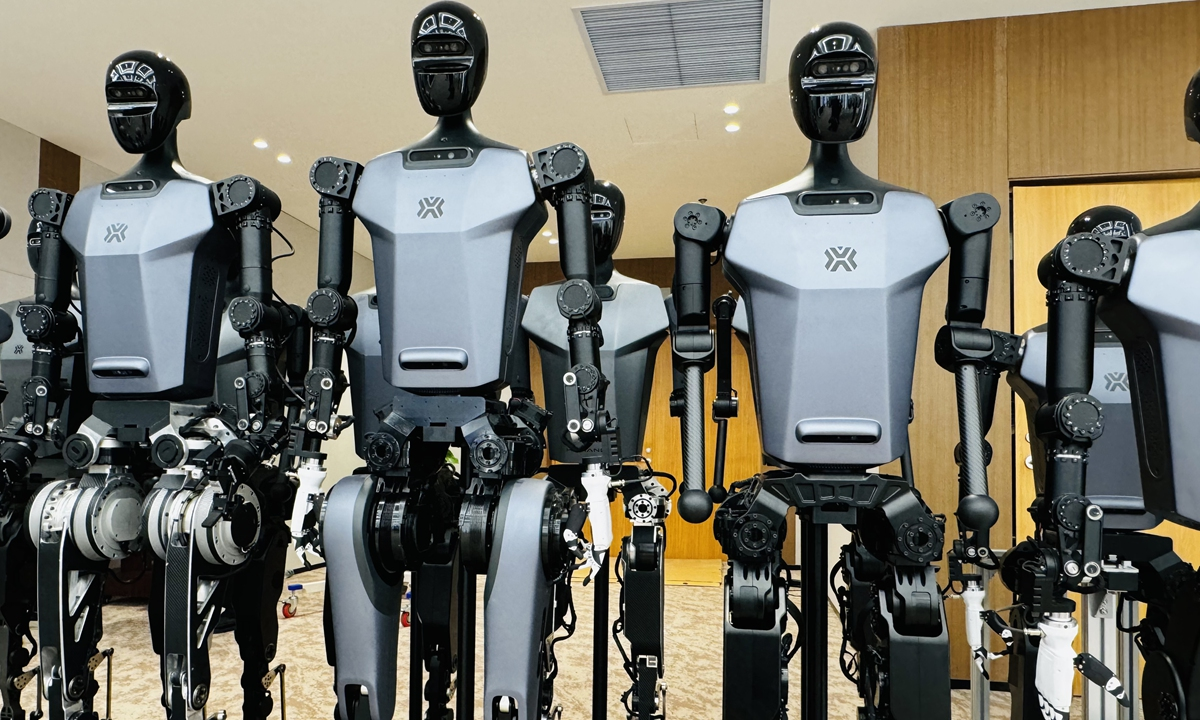
China is projected to significantly increase its output of humanoid robots this year, potentially surpassing 100,000 units. This surge is expected to solidify the nation's leading position in the global market for these advanced machines. The country's manufacturing advantages are seen as a key driver for this anticipated growth. The expansion in production capacity highlights China's strategic focus on developing and deploying sophisticated robotics technology. This development could have far-reaching implications for various industries, from manufacturing and logistics to healthcare and personal assistance. The increased availability of humanoid robots may also accelerate automation trends worldwide. China's commitment to advancing its robotics sector underscores a broader ambition to become a global leader in high-tech industries. The projected figures suggest a substantial leap in production compared to previous years, indicating a maturing market and increasing demand.
China's anticipated surge in humanoid robot production reflects a strategic industrial policy aimed at capturing a dominant share of a rapidly growing global market. Leveraging its established manufacturing infrastructure, the nation is positioned to benefit from economies of scale, potentially driving down costs and accelerating adoption worldwide. This development presents both opportunities and challenges for international competitors, who may need to reassess their own production strategies and investment in R&D. The long-term implications involve a potential reshaping of global labor markets and supply chains, as humanoid robots become more integrated into various economic sectors. Understanding the incentive structures driving this production increase—including government support, market demand, and technological advancements—is crucial for anticipating future trends in automation and artificial intelligence.
AI-generated to prompt reflection — not editorial opinion, not advice, not a statement of fact. How this works.