China's Infrastructure Projects Reshape Ivory Coast, Shifting Regional Dynamics
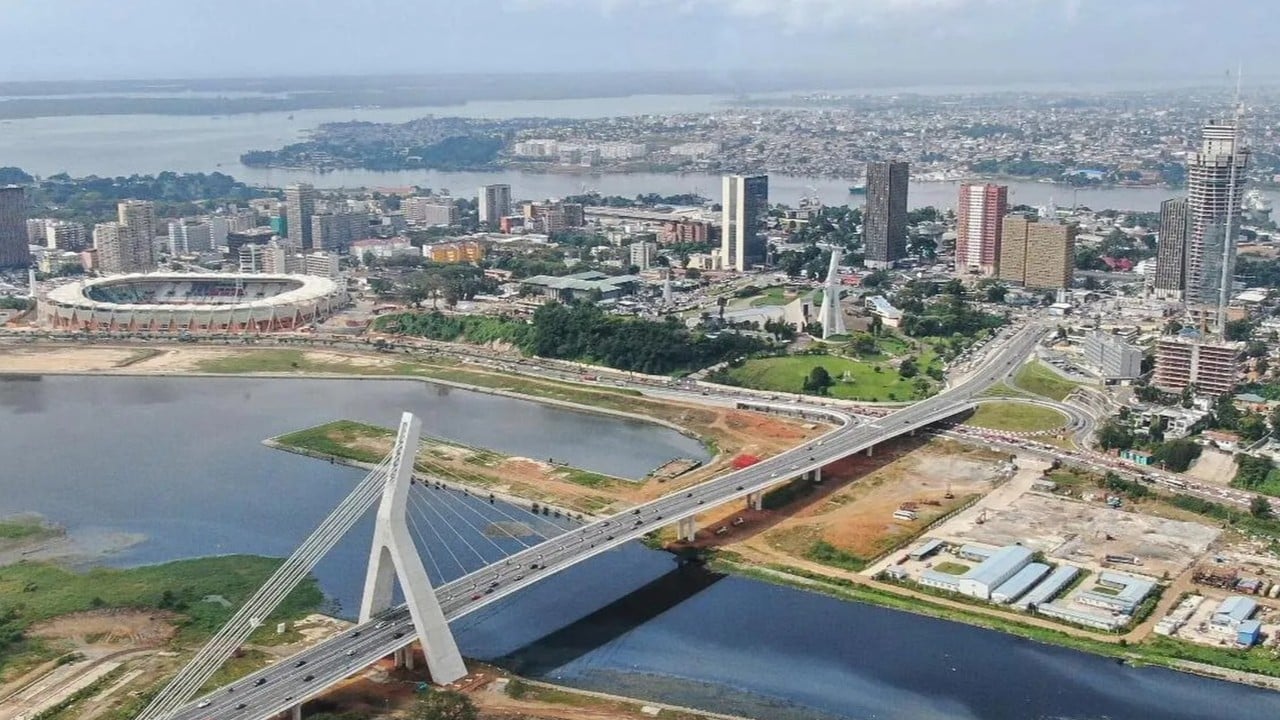
China's significant infrastructure development has become a permanent fixture in Ivory Coast's transport and trade networks, particularly in the commercial capital, Abidjan. Key projects include the Alassane Ouattara Bridge, also known as the Cocody Bridge, which connects the affluent Cocody district to the central business area of Plateau. The expansion of the Port of Abidjan's second container terminal and the construction of the Alassane Ouattara Olympic Stadium further underscore the extensive scale of Chinese investment.
These megaprojects have fundamentally transformed the Ivory Coast's landscape and economic capabilities. However, the nature of China's engagement is evolving, suggesting a shift in its role within the country and the broader region. While the initial phase focused on large-scale construction, future involvement may adapt to changing economic conditions and geopolitical considerations. This evolving dynamic signifies a new chapter in the bilateral relationship, moving beyond purely construction-based initiatives.
China's substantial infrastructure investments in Ivory Coast, exemplified by projects like the Cocody Bridge and the Port of Abidjan expansion, have demonstrably enhanced the nation's logistical and economic infrastructure. This pattern reflects a broader strategy of leveraging state-backed financing and construction expertise to foster economic ties and secure resource access in developing nations. The reported shift in China's role suggests a potential transition from capital-intensive construction to more diversified economic partnerships, possibly influenced by evolving global economic conditions, debt sustainability concerns, or a desire for more reciprocal trade relationships. This evolution warrants observation regarding its impact on local governance, long-term economic sustainability, and the potential for increased local participation in future development phases, aligning with global trends toward more integrated and sustainable development models.
AI-generated to prompt reflection — not editorial opinion, not advice, not a statement of fact. How this works.