China's Kimi K3 AI Model Sparks Concern in Silicon Valley
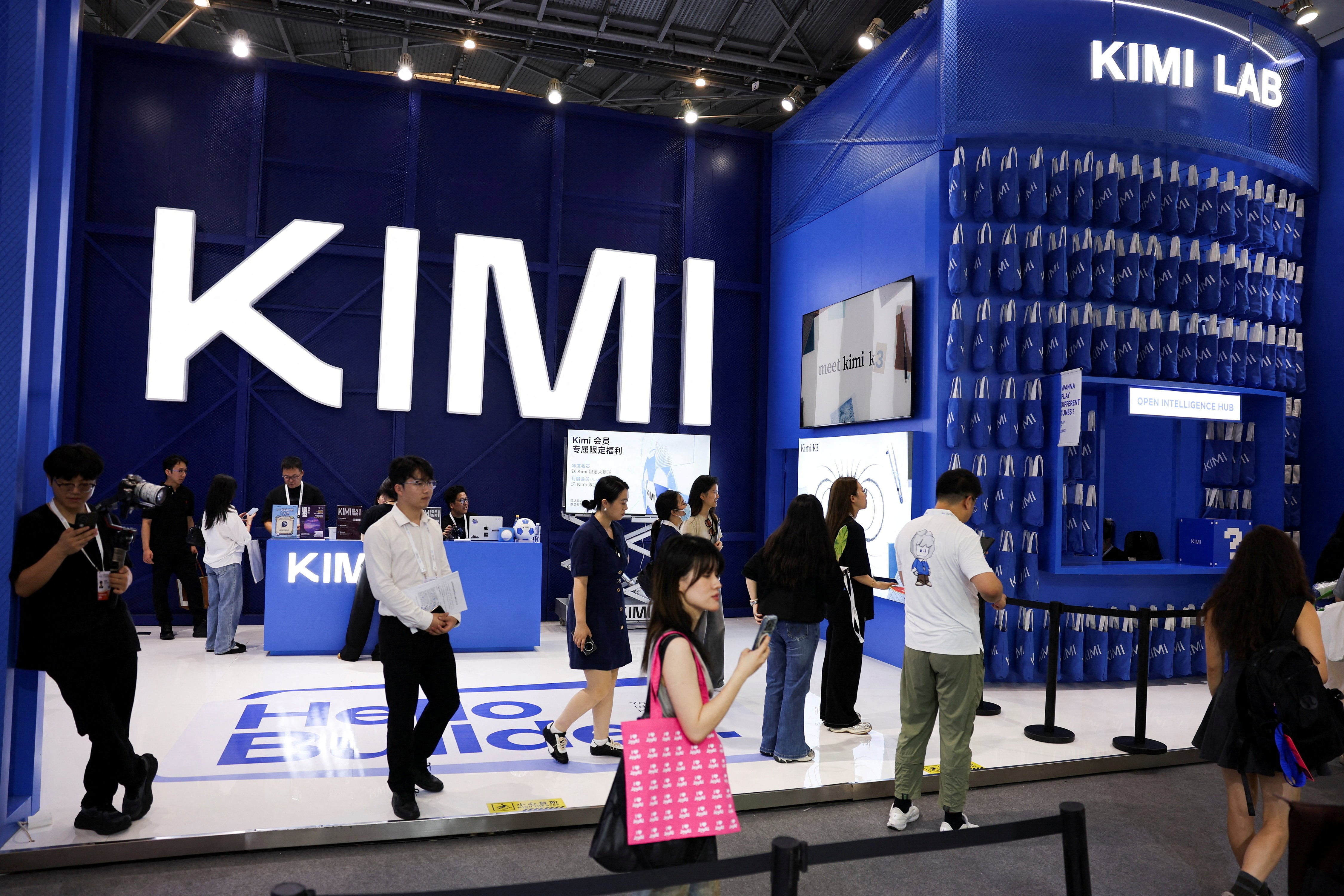
The newly released Kimi K3, an artificial intelligence model developed in China, has raised alarms within Silicon Valley's tech industry. Touted as the world's largest open-source model, its emergence signifies China's renewed ambition to lead in AI advancements. This development places China back in direct competition with established AI leaders, particularly those based in the United States. The open-source nature of Kimi K3 could accelerate its adoption and further development globally. Its scale suggests a significant leap in China's AI capabilities, potentially challenging the dominance of existing Western AI platforms. The implications of this advancement are being closely watched by major technology companies and research institutions worldwide. The race for AI supremacy appears to be intensifying, with China demonstrating a strong resurgence.
The rapid development and open-sourcing of China's Kimi K3 model represent a significant shift in the global AI landscape. This move challenges the long-held dominance of Western tech firms and introduces a potent competitor into the open-source AI ecosystem. The accessibility of Kimi K3 could democratize advanced AI capabilities, fostering innovation but also raising questions about governance and potential misuse. Silicon Valley's reaction highlights the strategic importance of AI leadership and the competitive pressures arising from international advancements. Future developments will likely focus on the interplay between open-source collaboration, national AI strategies, and the evolving regulatory frameworks governing this transformative technology.
AI-generated to prompt reflection — not editorial opinion, not advice, not a statement of fact. How this works.