China's Luxury Tax Adds Pressure on German Automakers Amidst Slowing Sales
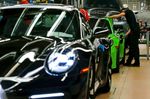
German automakers, which have long relied on China as a key growth market, are now facing significant headwinds. The Chinese government's implementation of a luxury tax is noticeably impacting sales, contributing to a slowdown in the sector. This, combined with weakening domestic consumption in China and the increasing strength of local competitors, is creating a challenging environment for established foreign brands. The once-reliable engine of growth is now showing signs of strain, forcing German car manufacturers to re-evaluate their strategies for the crucial Chinese market. The interplay of these economic factors suggests a shift in market dynamics that could have long-term implications for the global automotive industry.
The imposition of luxury taxes in China, coupled with a domestic consumption slowdown and rising local competition, presents a complex challenge for German automakers. This situation highlights the evolving dynamics of the global automotive market, where reliance on a single growth engine like China carries inherent risks. The strategic imperative for German manufacturers will likely involve diversifying market presence, accelerating innovation to meet local preferences, and potentially adjusting pricing structures. Understanding the interplay between regulatory policy, consumer sentiment, and competitive landscapes is crucial for navigating this transition over the next decade, especially as the automotive industry faces significant technological shifts.
AI-generated to prompt reflection — not editorial opinion, not advice, not a statement of fact. How this works.