China's Massive "Great Green Wall" Project Faces Unexpected Health Crisis
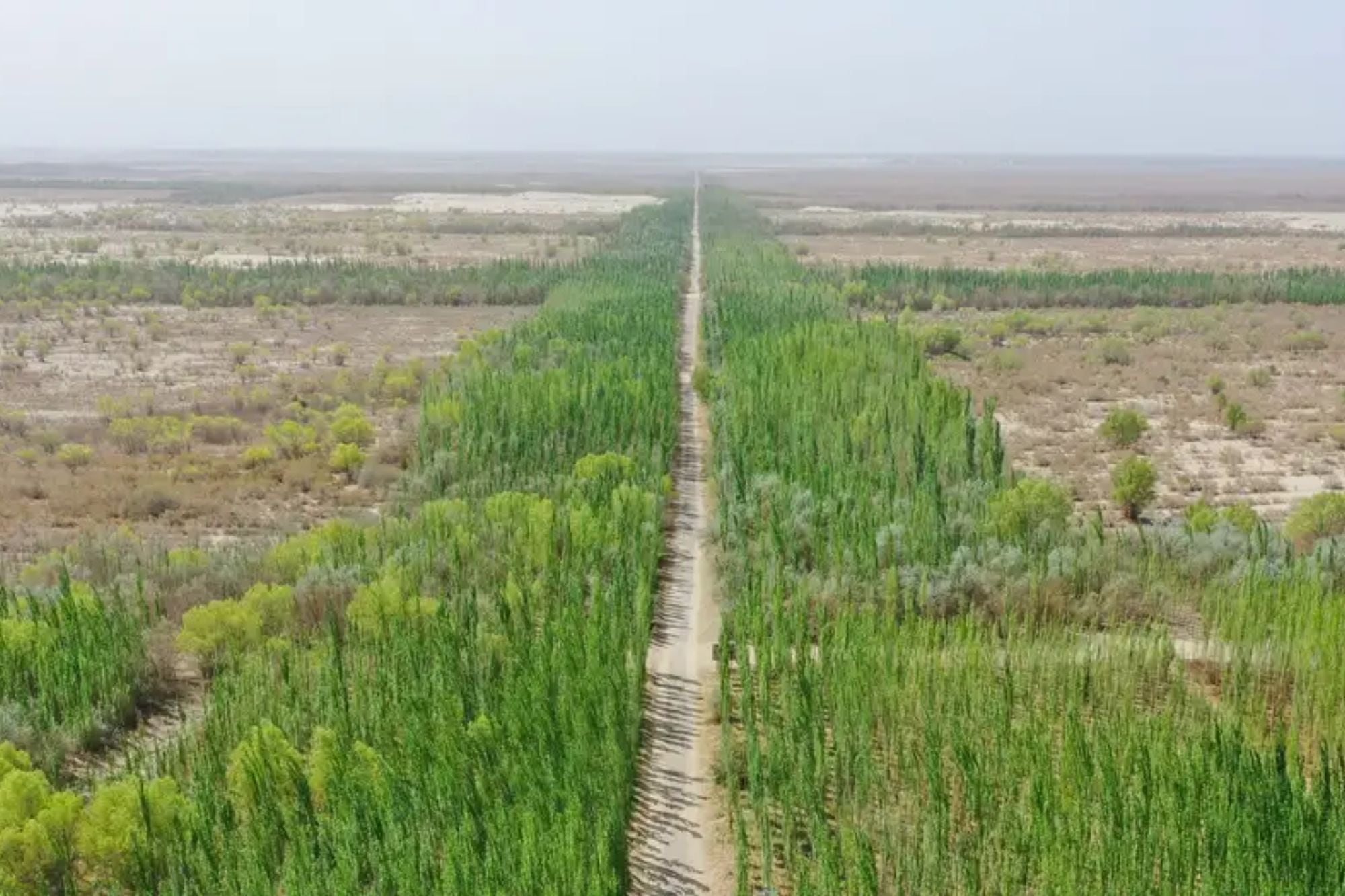
China's ambitious "Great Green Wall" afforestation project, intended to combat desertification and climate change, is now grappling with an unforeseen public health challenge. The initiative, which aims to create the world's largest forest, has seen a significant rise in severe respiratory allergies among the population. This surge is attributed to the widespread planting of fast-growing tree species, chosen for their rapid expansion capabilities. The health implications of this ecological strategy are becoming a major concern for authorities. Residents are experiencing increased instances of asthma and other respiratory ailments, directly linked to pollen and other airborne allergens released by these trees. The project's success in ecological terms is now being weighed against its detrimental impact on public health. Officials are reportedly reviewing the species selection and considering mitigation strategies to address the growing allergy epidemic. This situation highlights a complex trade-off between environmental goals and human well-being, demanding a careful recalibration of the project's approach.
The "Great Green Wall" project, while ecologically motivated, illustrates a common challenge in large-scale environmental interventions: the potential for unintended consequences on human health. The selection of rapidly growing species, optimized for ecological restoration metrics, may not have adequately factored in allergenic potentials or local public health infrastructure's capacity to manage resulting conditions. This situation underscores the need for integrated planning that considers the full spectrum of impacts, from biodiversity and climate mitigation to urban and rural public health. Future projects of this scale should incorporate comprehensive health impact assessments and adaptive management strategies to balance environmental objectives with the well-being of affected populations, particularly in the context of increasing global climate and health vulnerabilities.
AI-generated to prompt reflection — not editorial opinion, not advice, not a statement of fact. How this works.