China's Mazu AI weather system aids disaster preparedness in developing nations
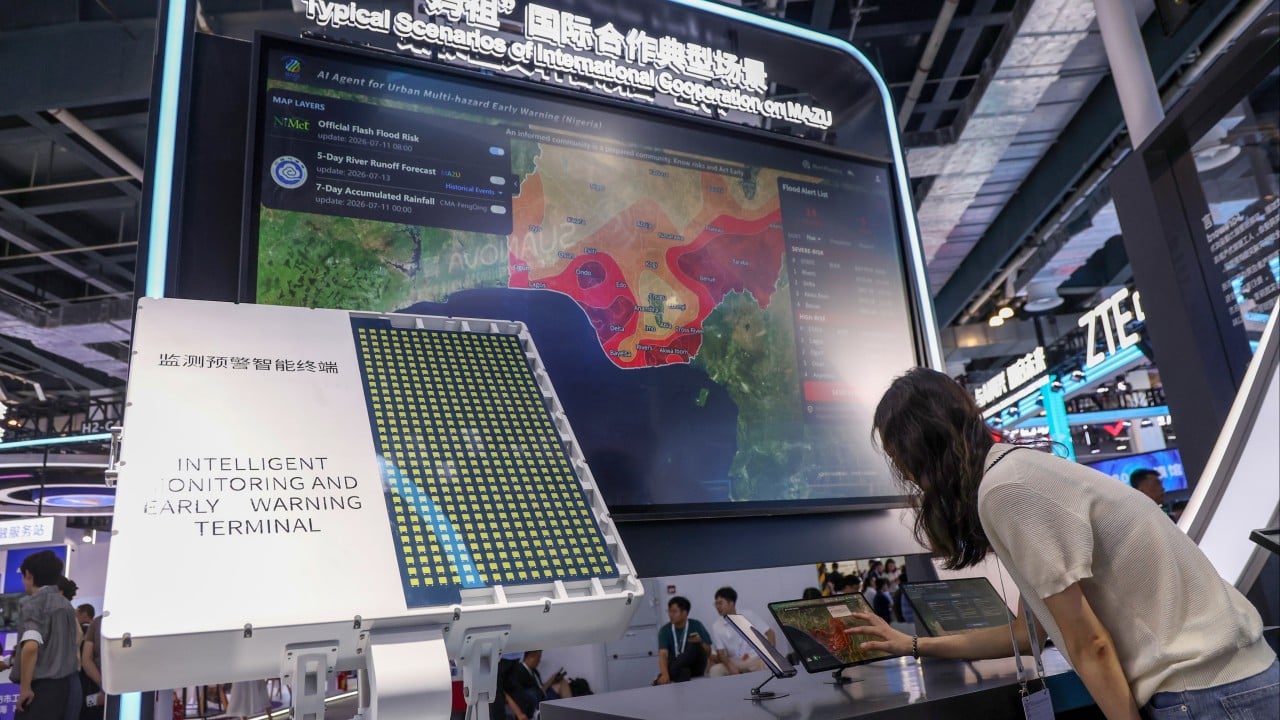
China's AI-powered weather warning system, named Mazu, is now operational in seven developing countries, enhancing their capacity to prepare for natural disasters like typhoons and rainstorms. Pan Jinjun, chief engineer at the China Meteorological Administration, highlighted Mazu as an international public good, offering customized early warning services specifically for developing nations. The system's expansion into the Global South aims to bolster resilience against increasingly frequent and severe weather events. This initiative underscores China's growing role in providing technological solutions for climate adaptation and disaster risk reduction in vulnerable regions. The announcement was made ahead of the World Artificial Intelligence (AI) Conference in Shanghai. Mazu's deployment signifies a commitment to sharing advanced meteorological technology to support countries with fewer resources in mitigating the impacts of climate change. The system's success is expected to encourage further international cooperation in leveraging AI for global safety and sustainability.
The expansion of China's Mazu weather warning system into the Global South represents a strategic deployment of advanced technology for disaster risk reduction. This initiative highlights the growing global demand for AI-driven solutions in climate adaptation and resilience building, particularly in regions most vulnerable to extreme weather. From a geopolitical perspective, such technological contributions can foster international goodwill and influence, while also addressing critical humanitarian needs. The system's framing as an "international public good" suggests an effort to position China as a leader in global technological governance and sustainable development, potentially shaping future norms around AI deployment in critical infrastructure. The long-term impact will depend on the system's efficacy, accessibility, and the sustainability of its support mechanisms for recipient nations, as well as how it integrates with or complements existing international meteorological frameworks.
AI-generated to prompt reflection — not editorial opinion, not advice, not a statement of fact. How this works.