China's Missile Test Highlights Divisions Among Pacific Island Nations
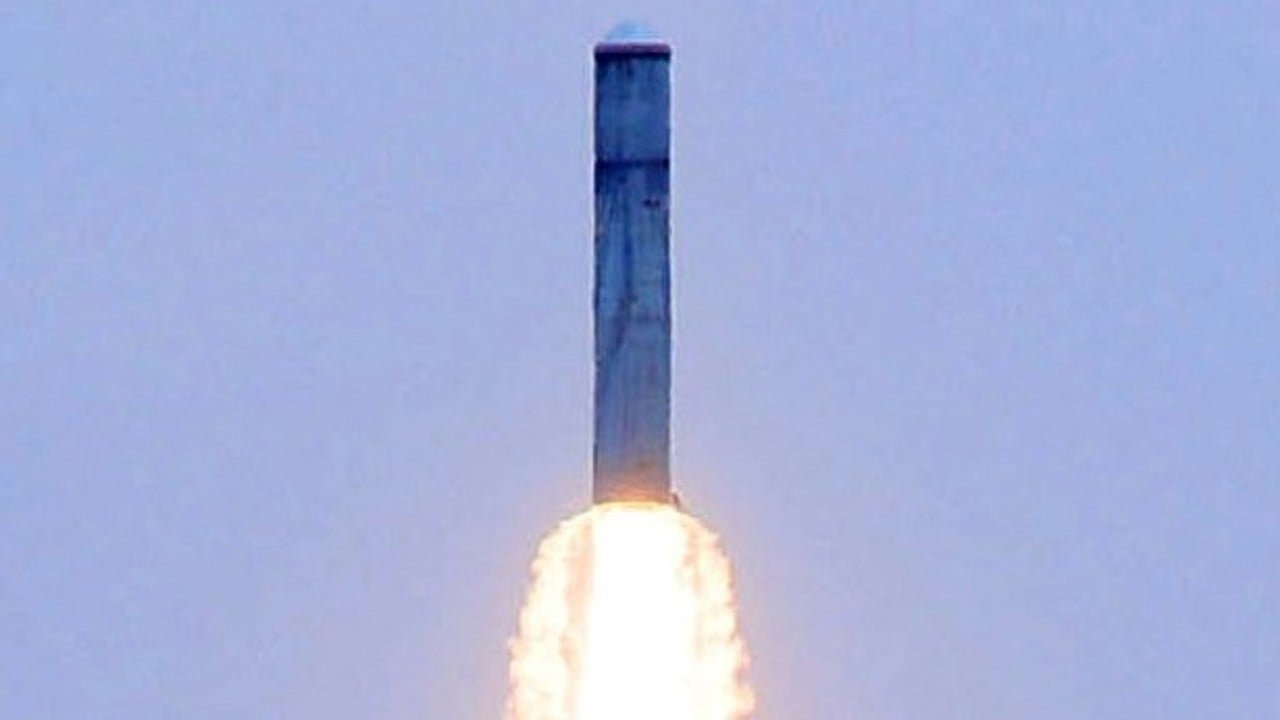
Pacific island nations are grappling with a security challenge following China's recent missile launch near Tuvalu. The incident tests their commitment to maintaining the region as an "ocean of peace." Analysts suggest that the varied relationships these nations have with Beijing are hindering a unified response to China's actions. On July 6, China announced that one of its navy's nuclear submarines conducted a missile test. The launch involved a "strategic missile" carrying a dummy warhead, aimed at "relevant high seas of the Pacific Ocean." China described the test as a routine annual military exercise. This event underscores the complex geopolitical landscape the Pacific island nations navigate, as they balance their economic and diplomatic ties with China against their aspirations for regional stability and peace.
The missile test by China near Tuvalu presents a complex geopolitical challenge for Pacific island nations, highlighting the tension between their vision of regional peace and the diverse economic and diplomatic ties they maintain with major powers. The varied relationships create inherent difficulties in formulating a unified stance, as individual national interests may diverge. This situation prompts consideration of how smaller nations can collectively assert their security interests and regional aspirations amidst the strategic maneuvering of larger global actors. The event serves as a case study in the evolving security architecture of the Pacific, where economic interdependence and strategic considerations are increasingly intertwined, potentially shaping regional governance and diplomatic frameworks over the next decade.
AI-generated to prompt reflection — not editorial opinion, not advice, not a statement of fact. How this works.