China's Mist Cooling Technology for Urban Heat Islands
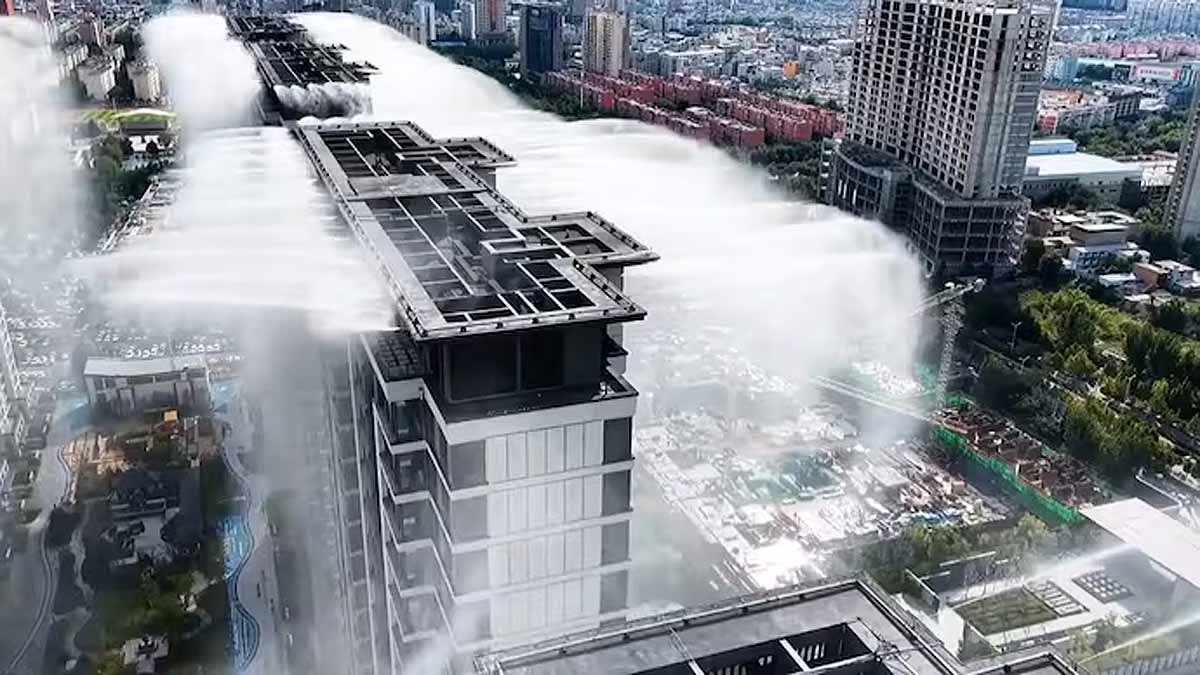
Amidst heatwaves and rising global temperatures, mist cooling technology, particularly its application in urban areas, is gaining attention. This system is being discussed as a potential solution for mitigating the effects of extreme heat in open public spaces. The technology works by dispersing fine water droplets into the air, which then evaporate. This evaporation process absorbs heat from the surrounding environment, thereby lowering the ambient temperature. It is considered a novel option for providing relief from scorching heat, especially in densely populated urban environments that often suffer from the urban heat island effect. The system's efficiency and scalability are key factors driving its consideration as a viable strategy for climate adaptation in cities.
The deployment of mist cooling systems in urban environments represents a technological response to the escalating challenges of urban heat islands, exacerbated by climate change. These systems leverage principles of evaporative cooling to provide localized temperature reduction. From a systems perspective, their effectiveness is contingent on water availability, energy consumption for pumps and nozzles, and potential impacts on humidity levels and public health. Evaluating their long-term sustainability requires considering their integration into broader urban planning strategies, including water management and energy infrastructure, to ensure they offer a net benefit without creating new environmental or economic burdens.
AI-generated to prompt reflection — not editorial opinion, not advice, not a statement of fact. How this works.