China's New East China Sea Structures Signal Pressure on Japan, Probe US Resolve
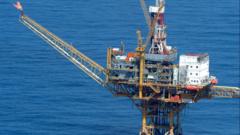
Japan has lodged a protest against China for constructing new facilities in the East China Sea. The recently released Japanese defense white paper identifies China as an "unprecedented and greatest strategic challenge." Analysts are speculating that Beijing may be employing gray zone tactics with these new structures. The intention behind these actions is believed to be a test of the United States' commitment to its allies in the Indo-Pacific region. This move by China is seen as a potential escalation in regional tensions. The specific nature of the new structures has not been detailed, but their presence has clearly raised concerns for Japan's security. The white paper's strong language indicates a significant shift in Japan's perception of the threat posed by China. It suggests a growing unease about China's assertiveness in the maritime domain. The situation highlights the ongoing geopolitical competition and strategic maneuvering occurring in the East China Sea.
The construction of new facilities by China in the East China Sea, juxtaposed with Japan's strong condemnation and designation of China as a strategic challenge, suggests a deliberate escalation in regional assertiveness. This action can be interpreted as a strategic probe to gauge the United States' response and its steadfastness in supporting its allies within the Indo-Pacific framework. The utilization of 'gray zone' tactics aims to achieve strategic objectives without triggering a direct military confrontation, thereby testing the boundaries of international norms and alliance commitments. Future geopolitical dynamics will likely hinge on how the US and its allies collectively respond to such incremental challenges, balancing deterrence with de-escalation to maintain regional stability.
AI-generated to prompt reflection — not editorial opinion, not advice, not a statement of fact. How this works.
