China's New Ethnic Unity Law Faces International Scrutiny
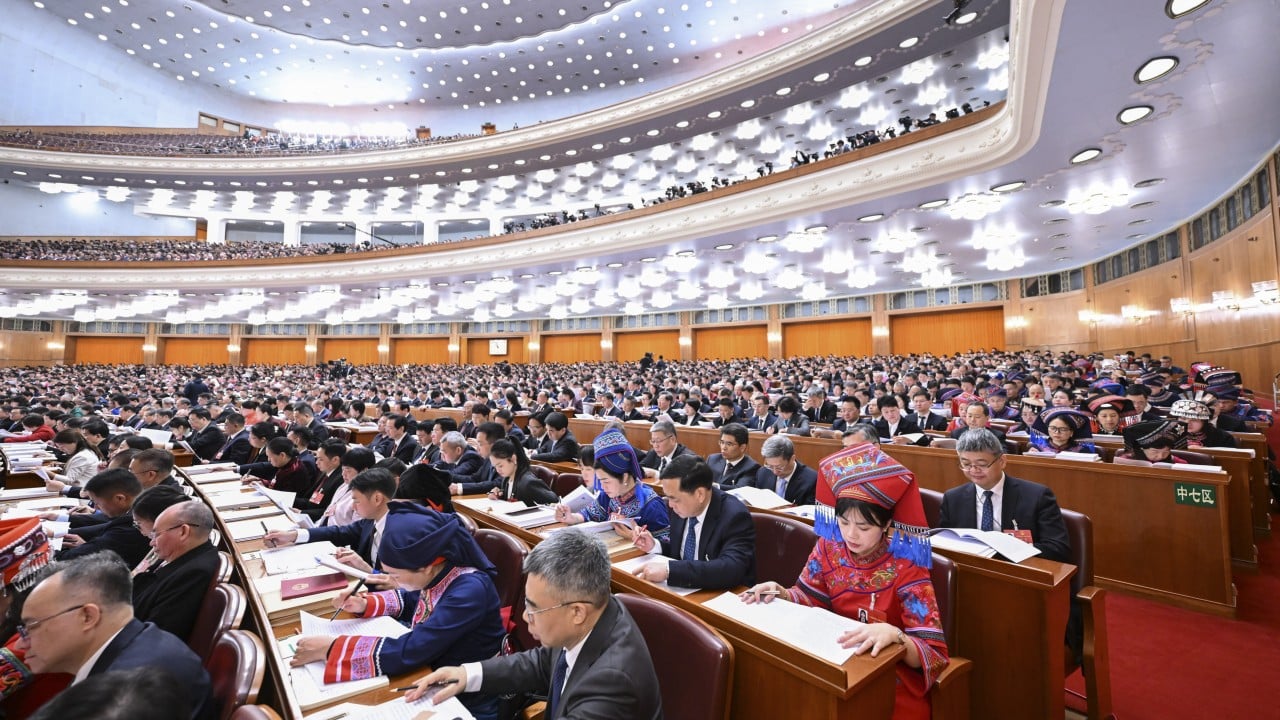
China's Law on Promoting Ethnic Unity and Progress, enacted in March and effective this month, establishes a legal framework for fostering a strong sense of community. This new law complements the 1984 Law on Regional Ethnic Autonomy, forming a comprehensive statute on ethnic affairs. However, international critics have labeled the law as an act of "transnational repression" and "long-arm jurisdiction." These accusations primarily target Article 63 of the new legislation. While these claims utilize legal terminology, their broader implications and validity are being debated.
The passage of China's Law on Promoting Ethnic Unity and Progress introduces a new legal dimension to the nation's approach to ethnic relations. While proponents frame it as a mechanism for internal cohesion, international criticism suggests potential extraterritorial reach, particularly concerning Article 63. This highlights a common tension in international law and governance: the balance between a state's sovereign right to legislate for its own population and the global norms regarding individual freedoms and cross-border activities. Future developments will likely involve navigating these differing interpretations and their impact on international relations and diaspora communities.
AI-generated to prompt reflection — not editorial opinion, not advice, not a statement of fact. How this works.