China's New Ethnic Unity Law Signals Assimilation Policy Shift
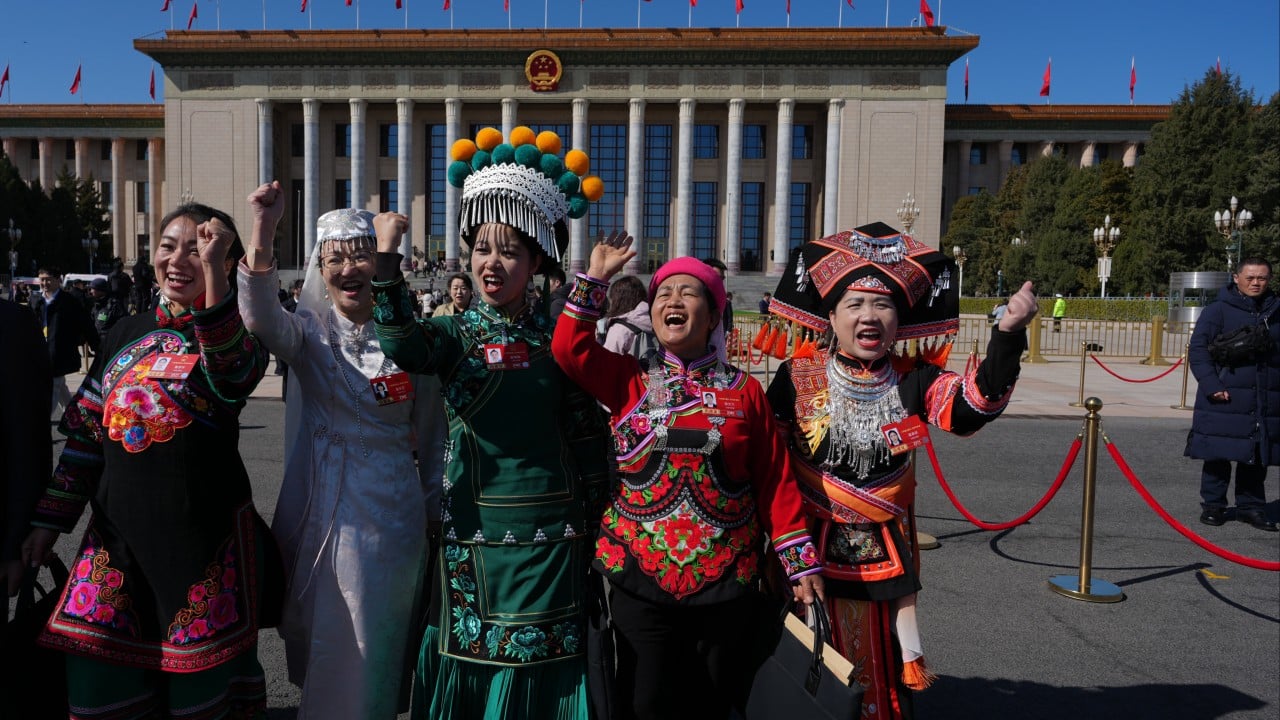
China's recently enacted Law on Promoting Ethnic Unity and Progress, effective this month, indicates a strategic shift in Beijing's approach to ethnic affairs. Previously focused on managing specific ethnic issues, the new law establishes a framework that observers suggest is intended to promote assimilation of minority groups. Analysts believe this policy aims to counter perceived Western ideological influences and provide a legal basis for integration efforts. The law has, however, raised significant concerns among international bodies, including the United States and the European Union, who fear it may lead to forced assimilation. The legislation's emphasis on national unity and shared identity is seen by some as a move towards greater centralization of ethnic policy.
This new legislation appears to formalize a policy shift towards assimilation, potentially driven by concerns over national cohesion and external ideological pressures. The statutory mandate for ethnic unity may reflect a state's effort to consolidate identity and governance in an era of increasing global interconnectedness. Future implications could involve heightened tensions with minority groups seeking greater autonomy and increased scrutiny from international human rights organizations. The long-term success of such policies will likely depend on balancing national integration goals with the preservation of diverse cultural identities and ensuring adherence to internationally recognized human rights standards.
AI-generated to prompt reflection — not editorial opinion, not advice, not a statement of fact. How this works.