China's Q2 Economy Slows to 4.3% Growth Amid Weak Domestic Demand
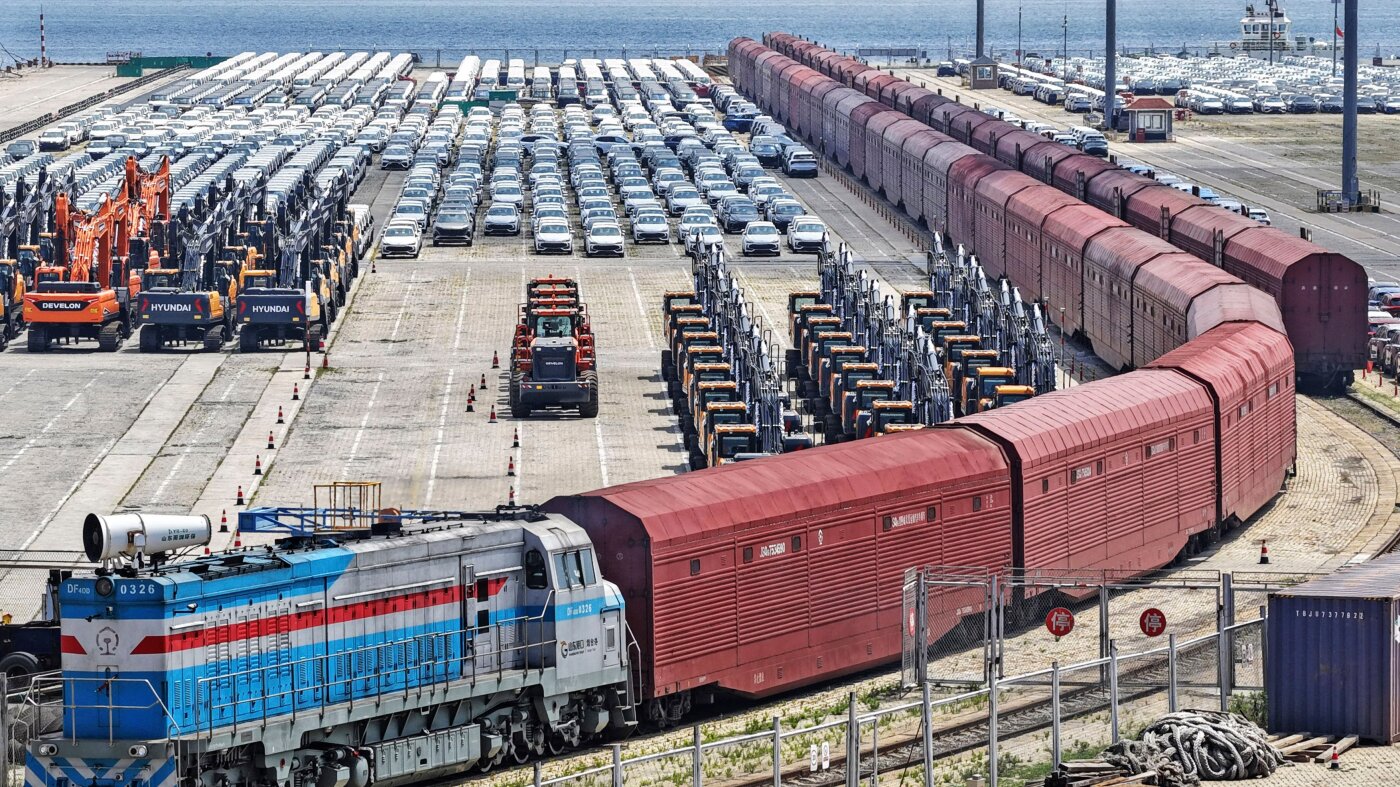
China's economy experienced its slowest growth rate since late 2022, with a 4.3% expansion in the second quarter. This deceleration was primarily driven by lagging consumer spending and subdued business investment. Despite these domestic weaknesses, the economy received a significant boost from robust export performance. A key factor contributing to the strength in exports appears to be the global boom in artificial intelligence, which has likely fueled demand for Chinese-manufactured goods related to the sector. The interplay between weak domestic consumption and strong external demand highlights the complex challenges facing China's economic recovery.
The reported 4.3% growth in China's second-quarter economy, the slowest since late 2022, reflects a critical divergence between external and internal economic drivers. While strong exports, partly fueled by the global AI boom, provided a necessary uplift, the persistent weakness in domestic consumer spending and business investment signals underlying structural challenges. This dependency on external demand, particularly in a sector as dynamic and potentially volatile as AI, presents a strategic vulnerability. Future economic resilience may hinge on policies that effectively stimulate domestic consumption and encourage sustainable business investment, rather than relying heavily on global technology cycles. The long-term implications involve navigating the trade-offs between export-led growth and fostering a robust internal market, especially as geopolitical factors increasingly influence global trade dynamics.
AI-generated to prompt reflection — not editorial opinion, not advice, not a statement of fact. How this works.