China's Submarine Missile Launches: A Message of Normalization?
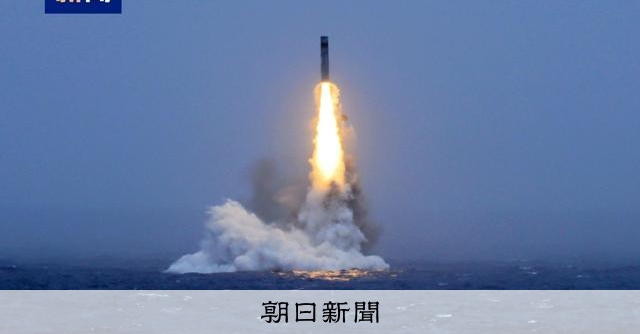
Japanese experts are interpreting China's recent submarine missile launches as a potential signal of normalization. These actions, observed by Japanese defense authorities, are being analyzed for their strategic implications. The frequency and nature of these launches suggest a deliberate effort by China to demonstrate its naval capabilities and potentially alter regional perceptions of military activity.
This development raises concerns among Japanese security analysts about China's growing assertiveness in the Indo-Pacific. The ability of submarines to launch missiles undetected presents a significant challenge to regional security architectures. Experts are closely monitoring these events to understand the full scope of China's military modernization and its intentions in the disputed waters.
The observed submarine missile launches by China may represent a strategic effort to establish a new baseline for military operations in contested maritime areas. This approach, often termed 'normalization,' seeks to gradually acclimate regional actors and international observers to increased military presence and capabilities, potentially reducing the perceived shock value of future actions. Such tactics can influence geopolitical calculations by testing response thresholds and signaling intent without triggering overt escalations. Evaluating these events requires understanding the interplay between military signaling, diplomatic signaling, and the resulting impact on regional security dynamics and alliance structures over the next decade.
AI-generated to prompt reflection — not editorial opinion, not advice, not a statement of fact. How this works.