China's Surgical Robots Enter Vietnam, Challenging Western Market Dominance
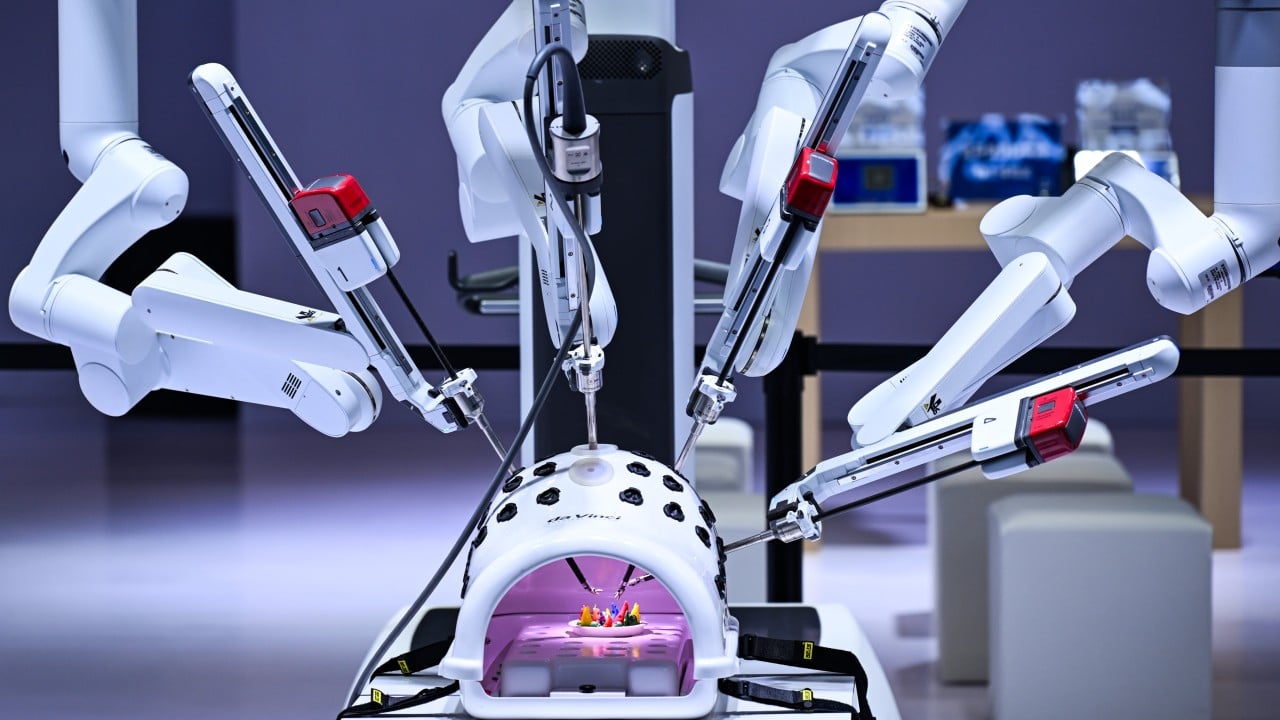
China has successfully gained approval for its domestically developed surgical robots to be utilized in Vietnamese hospitals. This development represents a significant advancement for Chinese high-end medical equipment manufacturers aiming to compete with established Western companies in the global market. According to China's National Healthcare Security Administration (NHSA), these Chinese-made surgical robots have already been registered and implemented in several prominent medical institutions within Vietnam. The move signifies China's growing ambition to expand its influence in the international medical technology sector. Furthermore, both China and Vietnam are reportedly planning to enhance their collaboration in the field of robotics, suggesting a broader strategic partnership beyond just surgical equipment. This entry into the Vietnamese market is seen as a crucial step in China's strategy to challenge the long-standing dominance of the United States and other Western nations in the high-value medical device industry. The NHSA's announcement highlights the successful penetration of Chinese innovation into a key Southeast Asian market.
China's successful market entry for its surgical robots in Vietnam signifies a strategic shift in global medical technology supply chains. This development highlights the increasing competitiveness of Chinese manufacturers in sophisticated sectors previously dominated by Western firms. The expansion into Vietnam, a growing economy with increasing healthcare demands, presents a significant opportunity for Chinese companies to establish a foothold and potentially influence future technological standards. This move also reflects a broader geopolitical dynamic where nations are seeking to diversify their technological dependencies and foster domestic innovation. The long-term implications may involve increased price competition and accelerated innovation cycles within the surgical robotics market, potentially benefiting healthcare providers and patients globally through greater access and affordability. The deepening cooperation between China and Vietnam in robotics suggests a potential for integrated healthcare solutions and further technological exchange.
AI-generated to prompt reflection — not editorial opinion, not advice, not a statement of fact. How this works.