China's Taklamakan Desert Wheat Trial Yields Double National Average
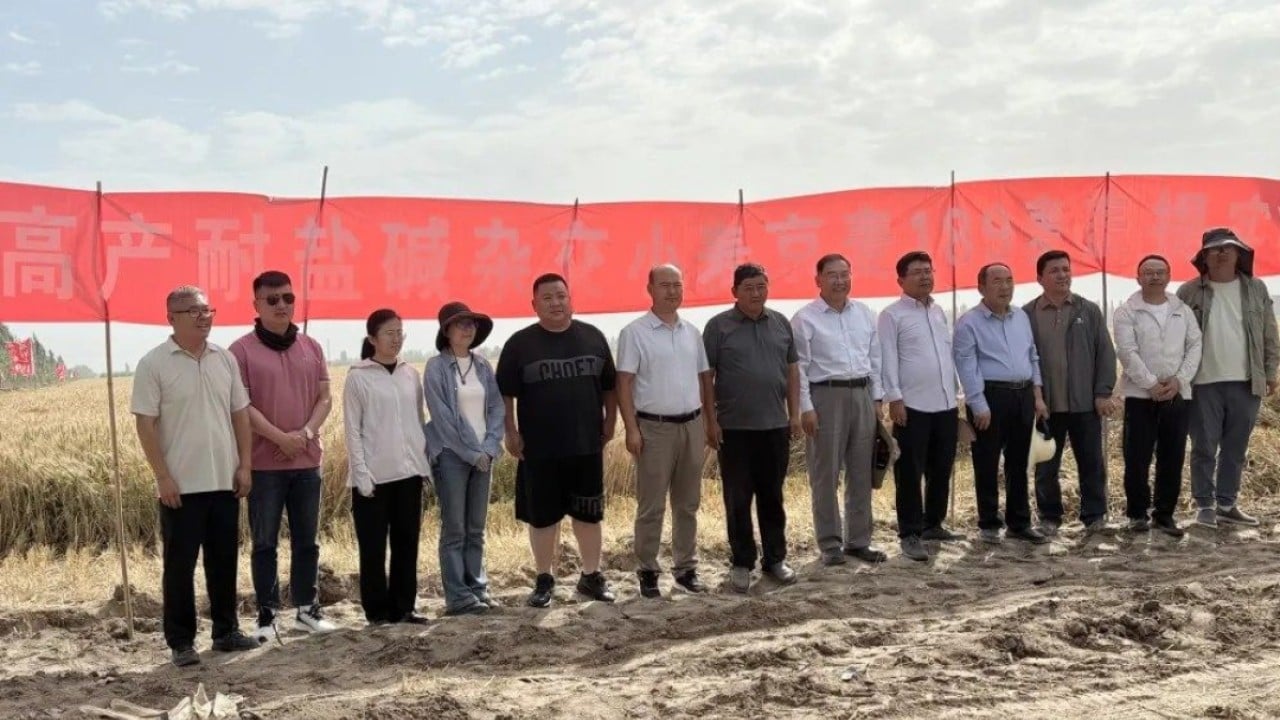
A pilot wheat cultivation project in China's Taklamakan Desert has achieved a remarkable yield, nearly doubling the national average recorded in 2025. The specific wheat variety, Jingmai 189, was engineered by the Beijing Academy of Agriculture and Forestry Sciences. This development is significant as Jingmai 189 is designed to thrive in challenging environmental conditions, including drought, saline soil, and nutrient-deficient land. The trial, conducted on a managed plot with high salinity, yielded 768 kilograms per mu, which translates to approximately 11.5 tonnes per hectare or 10,278 pounds per acre. This exceptional outcome suggests a potential breakthrough in arid and saline agriculture.
This agricultural experiment demonstrates the potential for advanced crop breeding to overcome environmental limitations, particularly in arid and saline regions. The success of Jingmai 189 in the Taklamakan Desert highlights the ongoing global effort to enhance food security through technological innovation, especially as climate change impacts traditional agricultural areas. Future research could explore the scalability of this technology, its long-term ecological footprint, and its economic viability in diverse desert environments. The development also raises questions about resource management, such as water usage and soil remediation, in large-scale desert farming initiatives.
AI-generated to prompt reflection — not editorial opinion, not advice, not a statement of fact. How this works.